Eco-Memory Archive
Introduction
For this project, I want to explore a simple but big question: can memories stored as data ever replace real life?
This idea came from my love of nature, my interest in sci-fi, and also the skills I’m learning now in VFX.
Inspiration
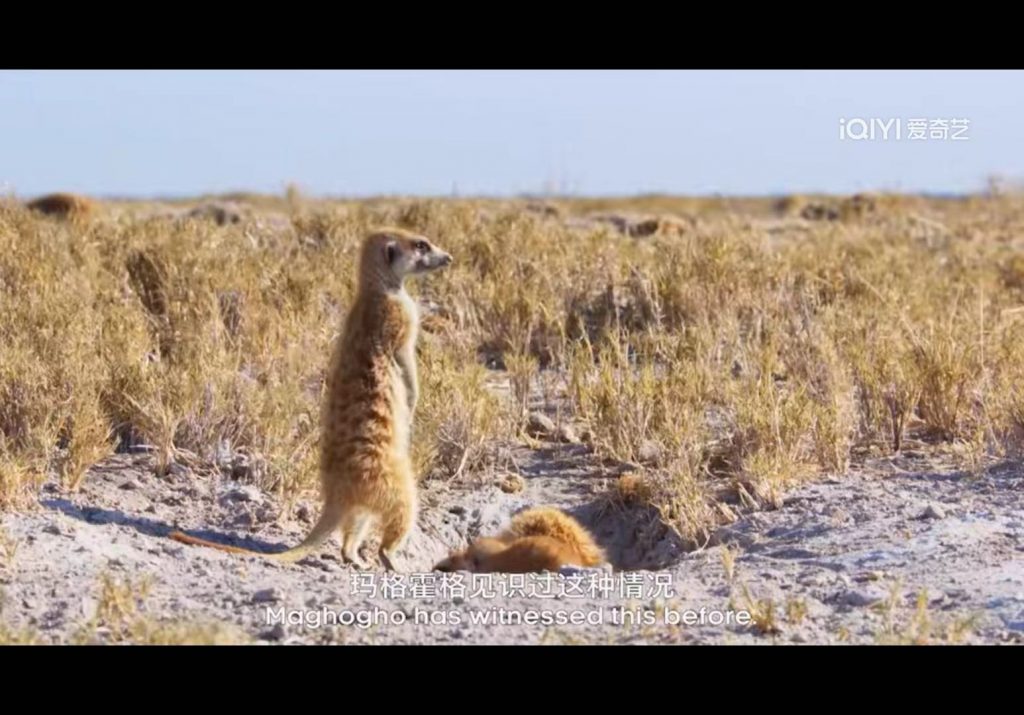
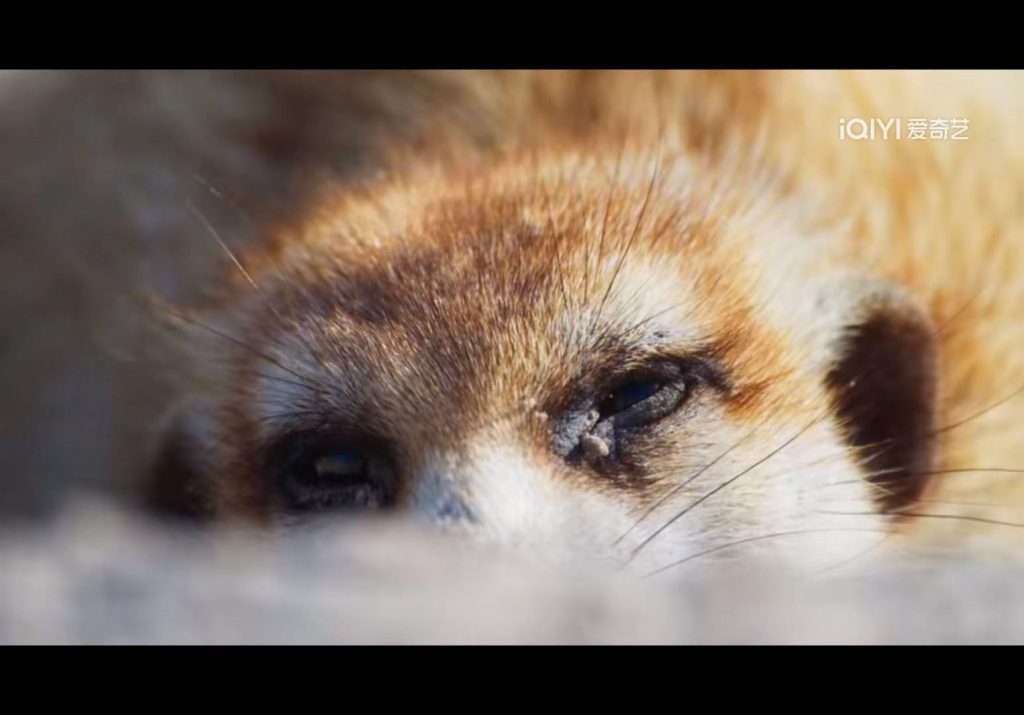
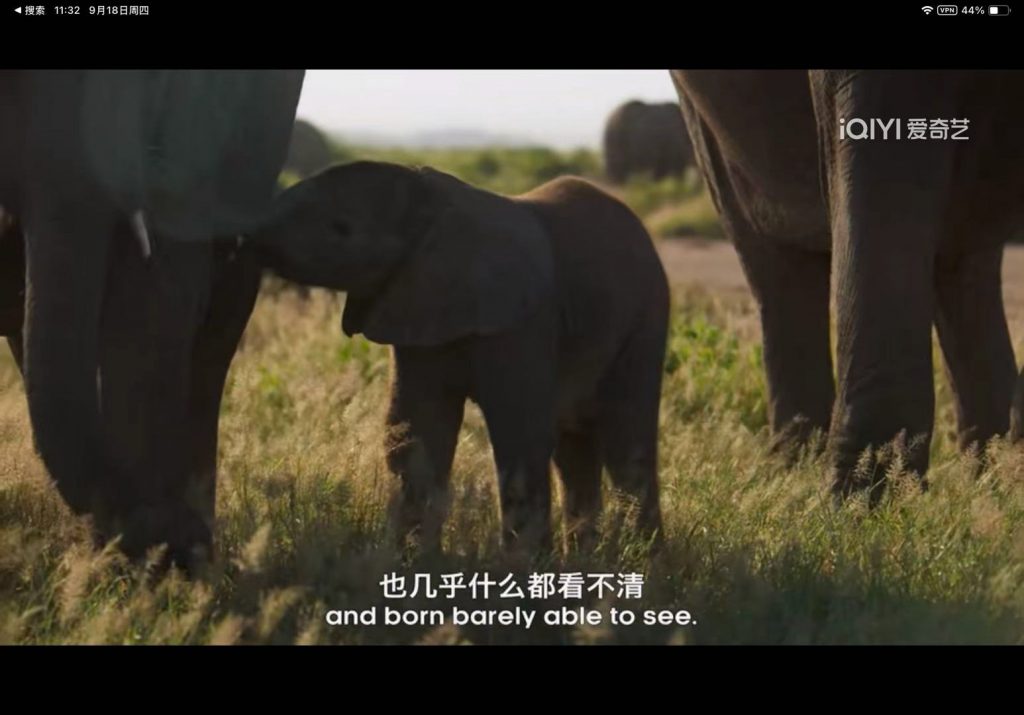
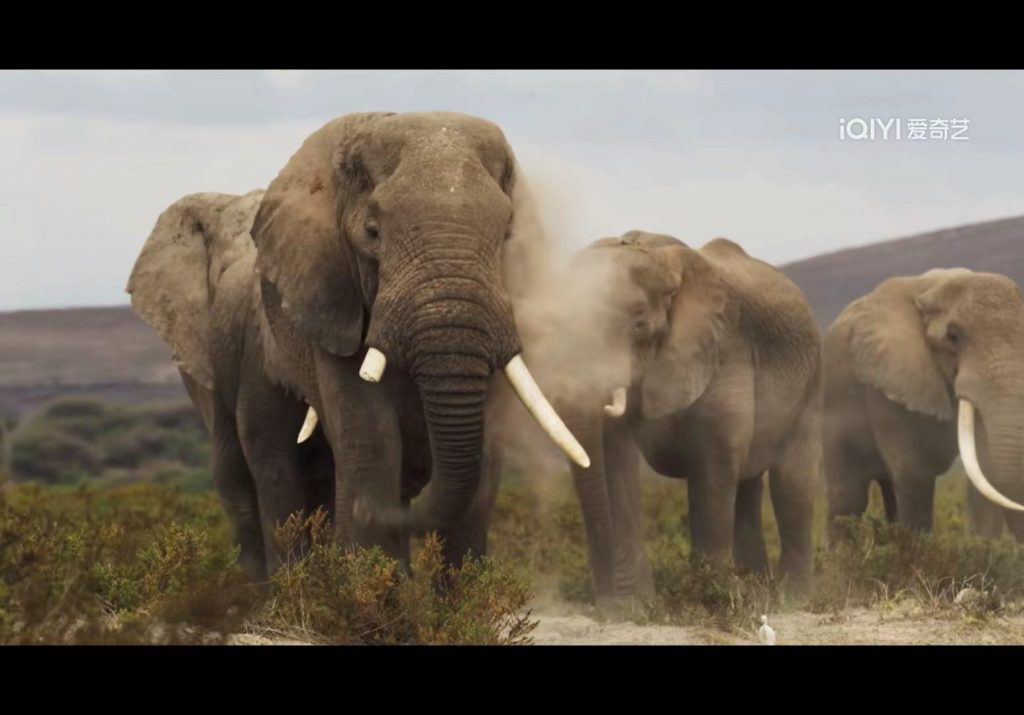
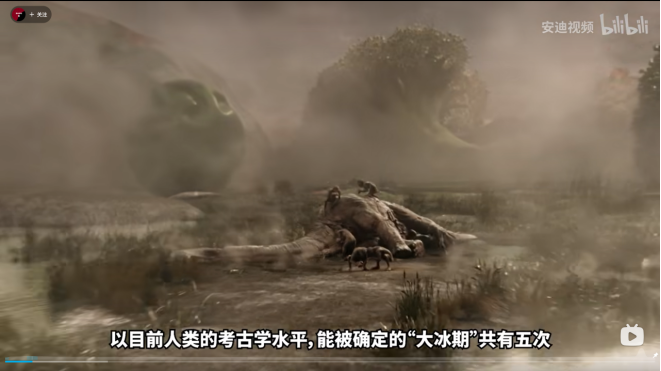
The starting point was the documentary Dynasties. It really impressed me because it shows how animals struggle to survive in the wild. This makes me hope that when I have time, I can go to Africa or Kenya to watch the great animal migration.
But then I also thought about zoos. They are complicated. On one hand, some are badly managed and animals suffer. On the other hand, for many people, zoos are the only way to get close to animals. Not everyone can afford to travel to Kenya, Tanzania, or Antarctica. So zoos are like concerts: not perfect, but still a rare chance for people to feel that connection.
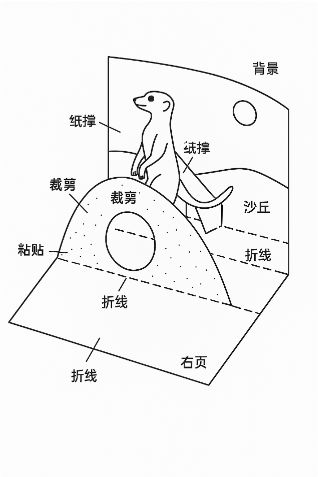
From here, I started thinking about how to create new ways for people to connect with nature. At first, I imagined a physical book made of sustainable materials, where each page lets you touch animal textures – fur, skin, or bones. It would be both educational and sensory, and a way to understand animals without harming them.
Personal Inspiration
Another part of my inspiration is very personal. To be honest, my dream life is not sitting in front of a computer forever – it’s going to Africa to protect elephants, or going to Antarctica to protect penguins. I really care about animals and the environment, and sometimes I imagine myself living that kind of life.
I also get a lot of inspiration from books. My favorite writer is Michio Hoshino , a Japanese wildlife photographer and essayist. His work is full of quiet reflections about nature and life.
- In The Call of the Wild , he writes about his travels in Alaska, describing the beauty of untouched landscapes and the deep bond between people and wilderness.
- In The Magical Language of Others , he talks about the way nature “speaks” to us through animals, seasons, and silence. Reading it makes me feel that nature is alive and has its own voice.
These books always remind me that nature is not just a background for human life – it’s something we belong to. That’s why I want my project to carry both ecological and emotional meaning.
Early Exploration
- Documentaries and real animals → inspired by Dynasties.
- Zoos and the debate → harm vs access.
- A physical “book of nature” → made from sustainable materials.
- Sci-fi futures → AI, memory, and human survival.
- Character design → the half-human girl and her dinosaur companion.
One big step was imagining a future world after a “machine crisis.” In this world, AI sees humans as ecological problems. Most nature is destroyed, animals are extinct, and humans only exist as experiments or as digital memories.
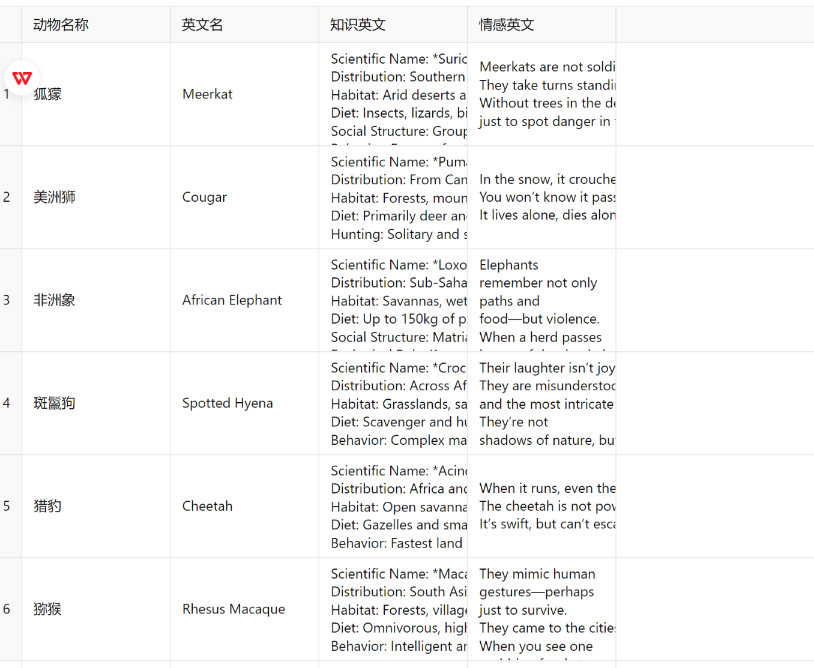
Inside this world, a company builds the Eco-Memory Archive – an AI system that can store plants, animals, environments, and even emotions. Its mission is to create the “perfect ecological specimen.” But the key question is: is data enough to replace reality?
I also explored different references.
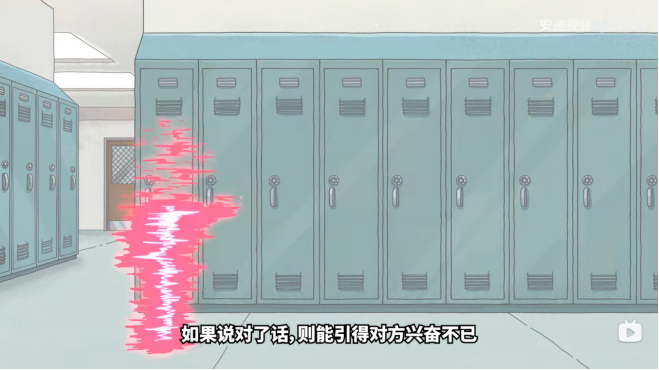
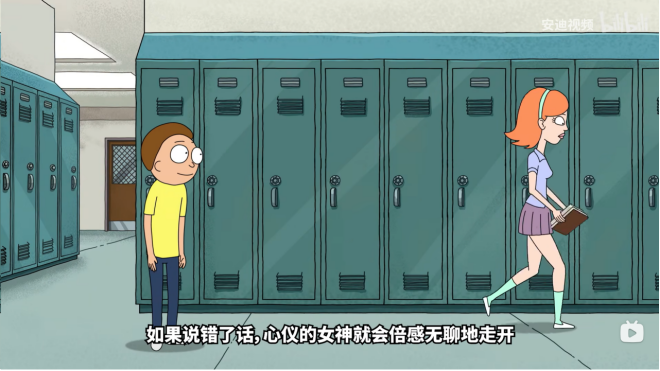
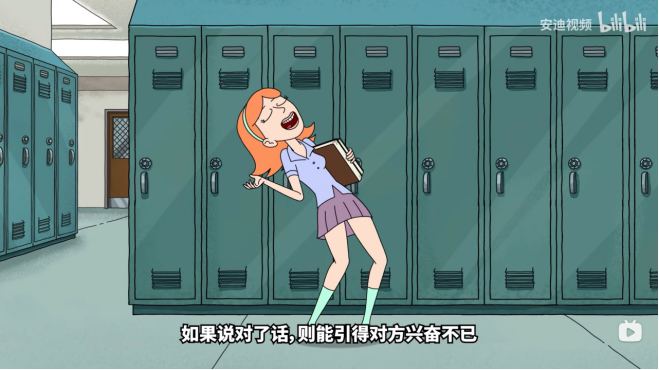
- From Rick and Morty I liked the “save/load” device idea – changing one choice, and the whole future changes.
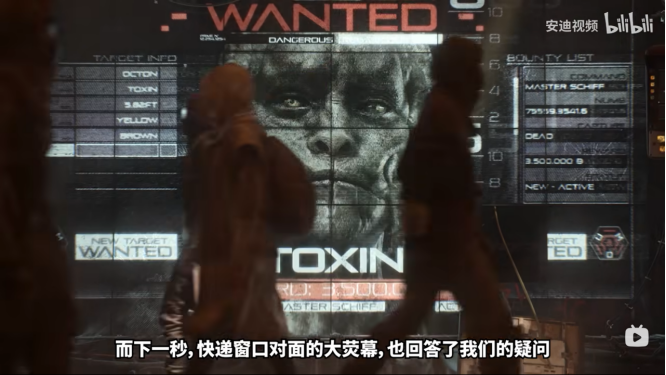
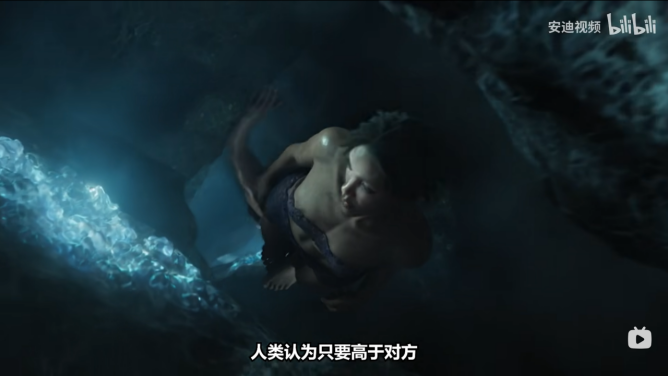
- From Love, Death & Robots I liked the “Alternate Histories” episode and especially “Swarm.” They show strange ecosystems and how fragile balance can be. The atmosphere of “Swarm” – cold, detailed, a bit terrifying – really inspired me.
Visual Style
I want to experiment with a 2D look in a 3D pipeline. This lets me sculpt and model in ZBrush/Blender, but render in a way that feels more like illustration or animation.
Character Development
- The Girl
A half-human, half-machine protagonist. Her body shows the tension between soft, human parts and mechanical, digital parts. She is curious and vulnerable, and represents human emotion inside the archive system. - The Dinosaur
A small parasaurolophus, designed as her companion. It looks cute.For me, it represents memory – warm but fragile.Another reason why I added dinosaurs is that I really like watching the movie Jurassic World
Together, they reflect two sides of memory: the human side of feelings, and the digital side of storage.
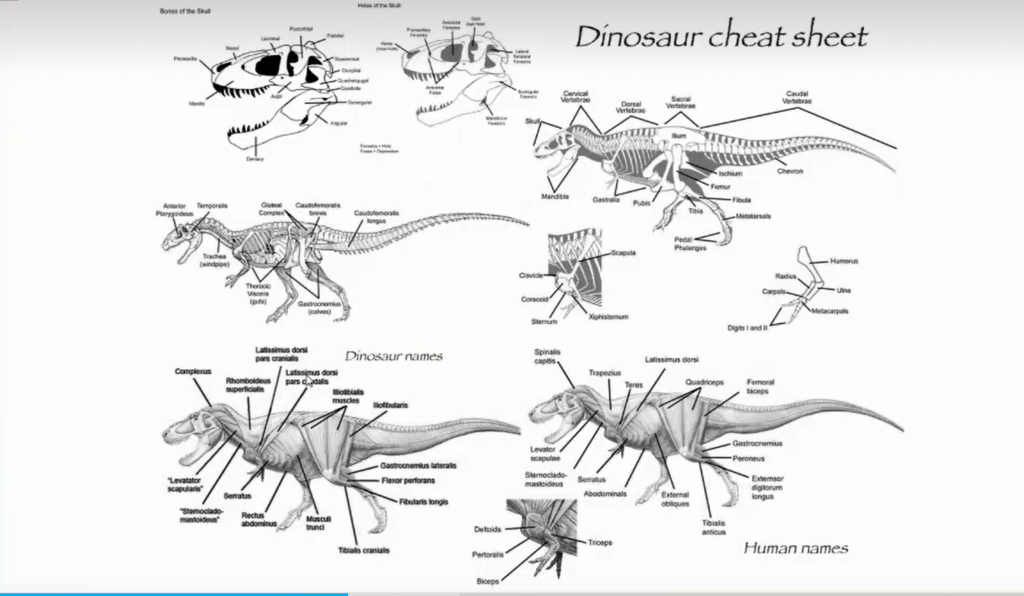
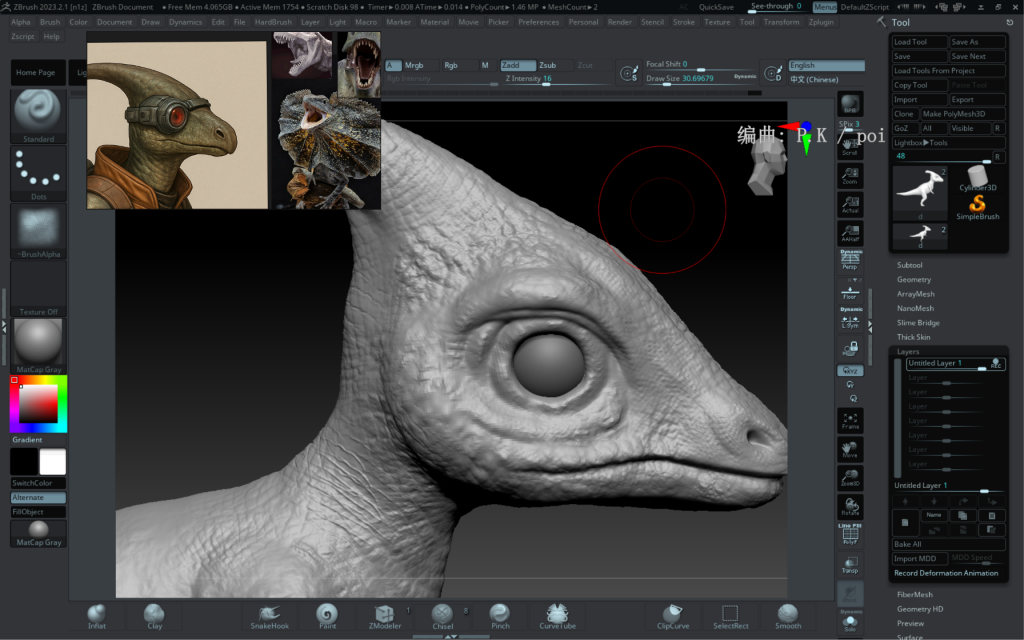
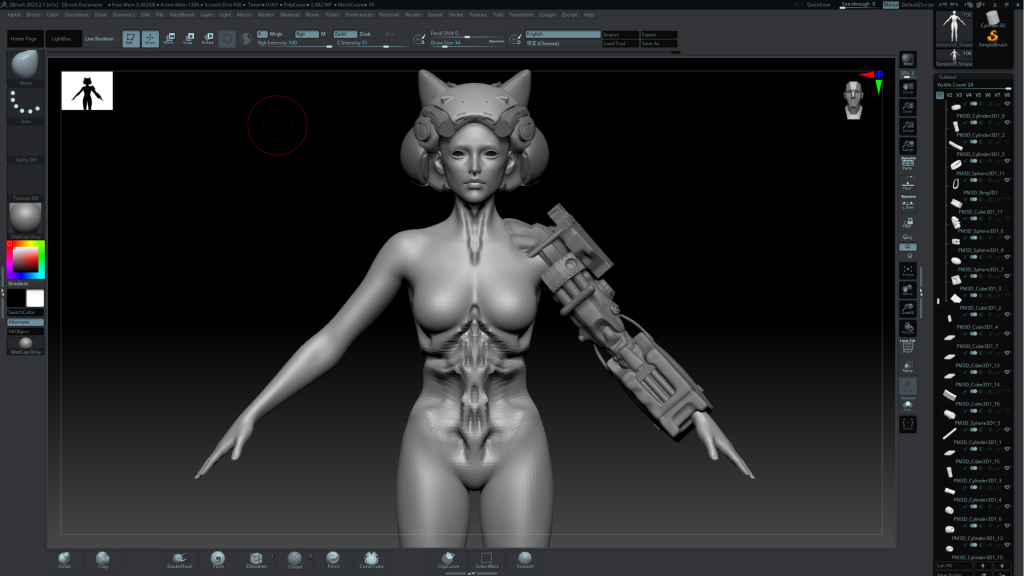
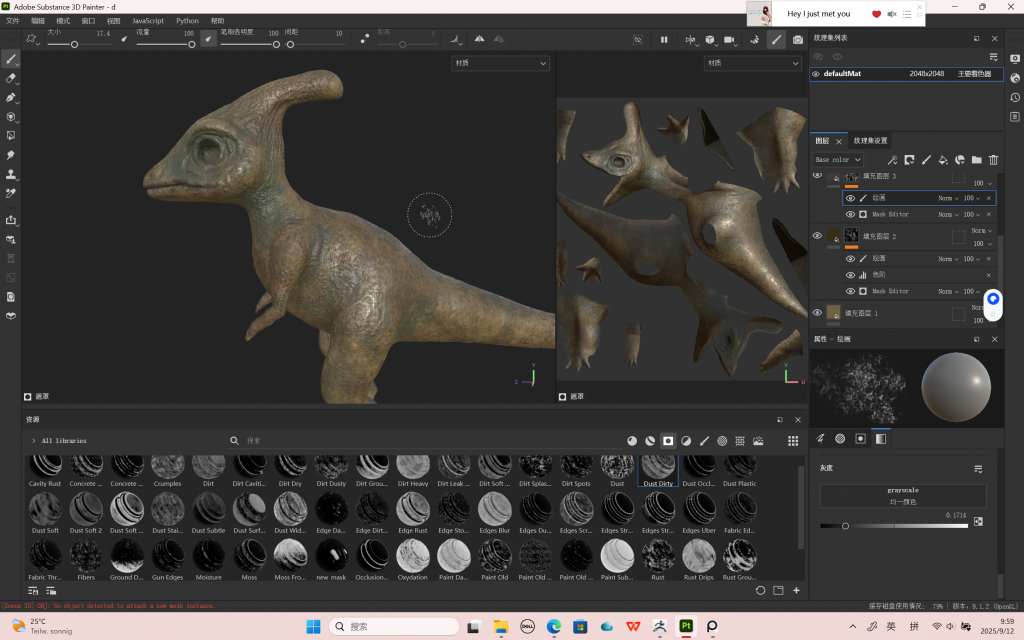
I have already created some simple characters, carvings and materials
Reflection & Next Steps
This project is exciting but also challenging. I sometimes feel unsure how to combine nature, sci-fi, memory, and characters all together. But I think that’s part of the process – trying, testing, and refining.
Next, I will:
- sketch simple storyboards,
- build moodboards and style frames,
- test rendering.
In the end, I hope Eco-Memory Archive makes people think about this: when everything can be stored, replayed, or replaced by machines – what does “real” actually mean?
Leave a Reply