Collaborative CG Project & Live-Action Compositing Test
Introduction
This project was completed as a collaboration between me and a classmate. My teammate focused mainly on compositing, scene layout and final rendering, while my main contributions were creature sculpting and the modelling of a stylised version of The Gates of Hell.
Alongside the collaborative full-CG sequence, I also created a short live-action compositing test on my own. The purpose was to take the monster I sculpted for the collaborative project and integrate it into real-world footage, allowing me to practice the full VFX workflow individually.
Story & Setting
Our narrative concept was inspired by mythology and literature, especially Dante’s Inferno and the idea of the Seven Deadly Sins.
The story begins with a piano performance that transforms into a summoning ritual. From this, Envy is born—two-headed, skinless, and grotesque, echoing the phrase “Envy disfigures the face.”
The protagonist passes into a mirror-world, catching glimpses of other sins. The climax unfolds inside a white museum space dominated by a monumental Gates of Hell sculpture. The scene freezes into a triptych: the protagonist in the white hall, the gate at the centre, and the darkness of Hell beyond.
This surreal setting gave us the opportunity to explore morality, reflection, and fate while experimenting with creature design and architectural forms.
Production Process
Creature Design (My Role)
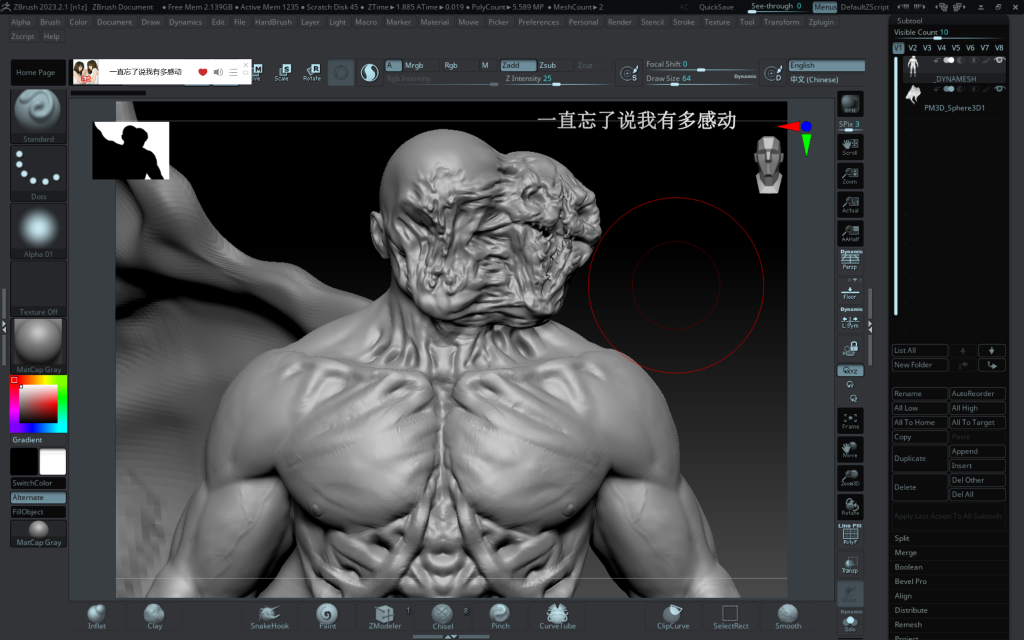
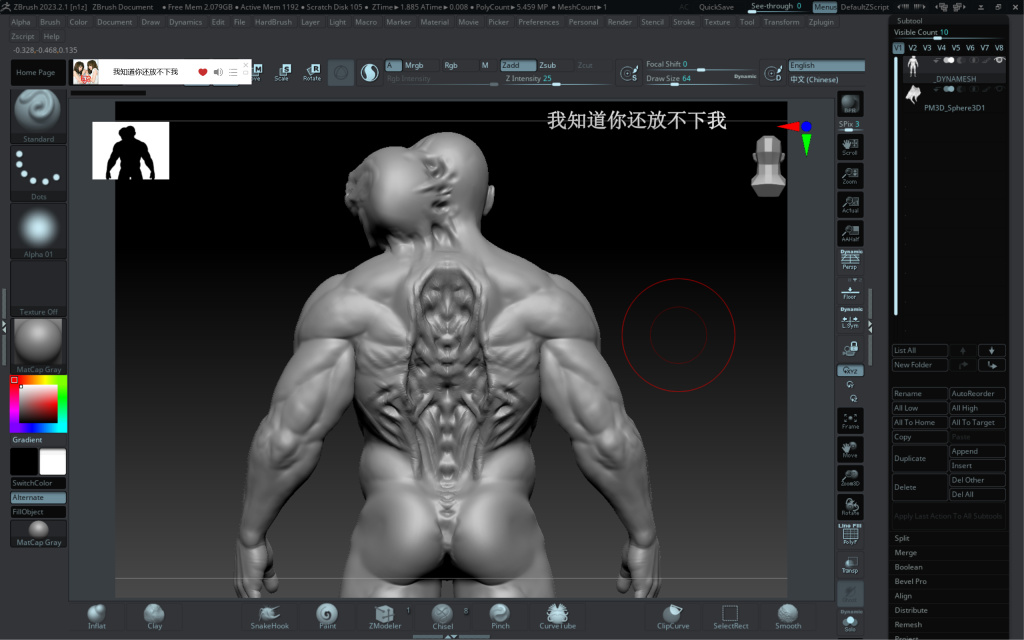
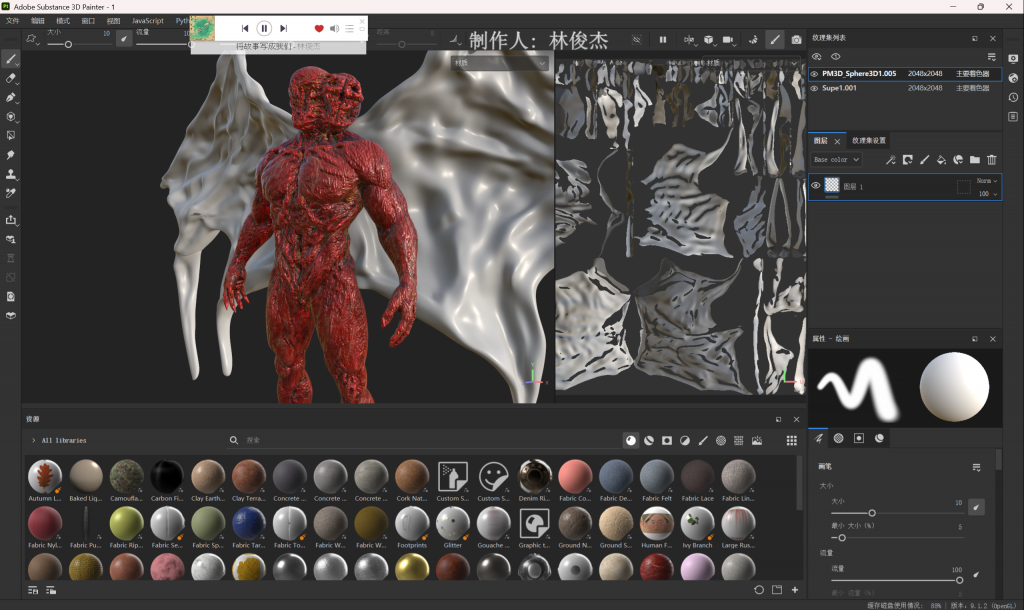
Sculpted Envy in ZBrush with exaggerated anatomy and skinless textures.
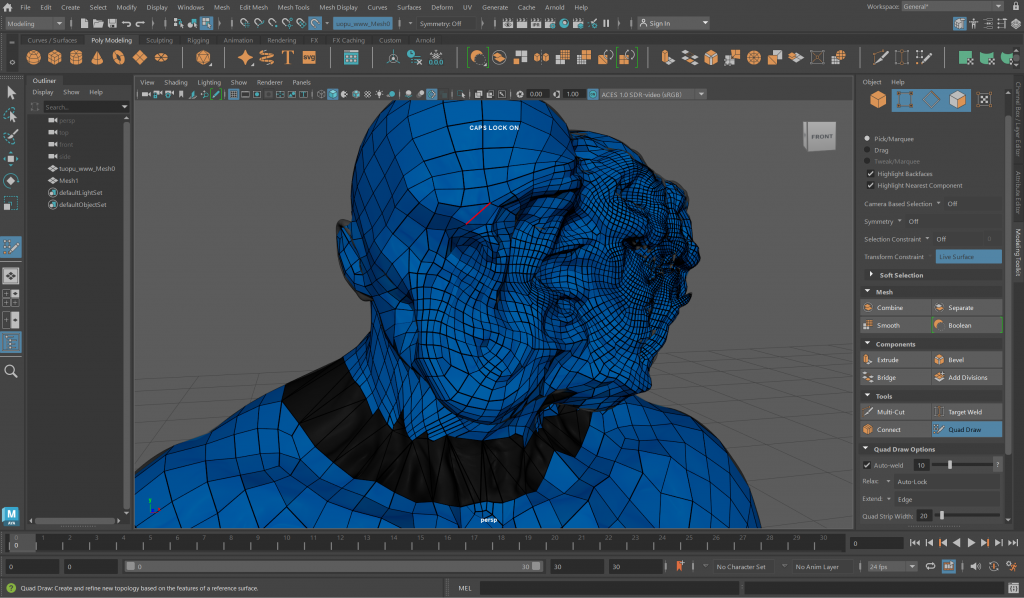
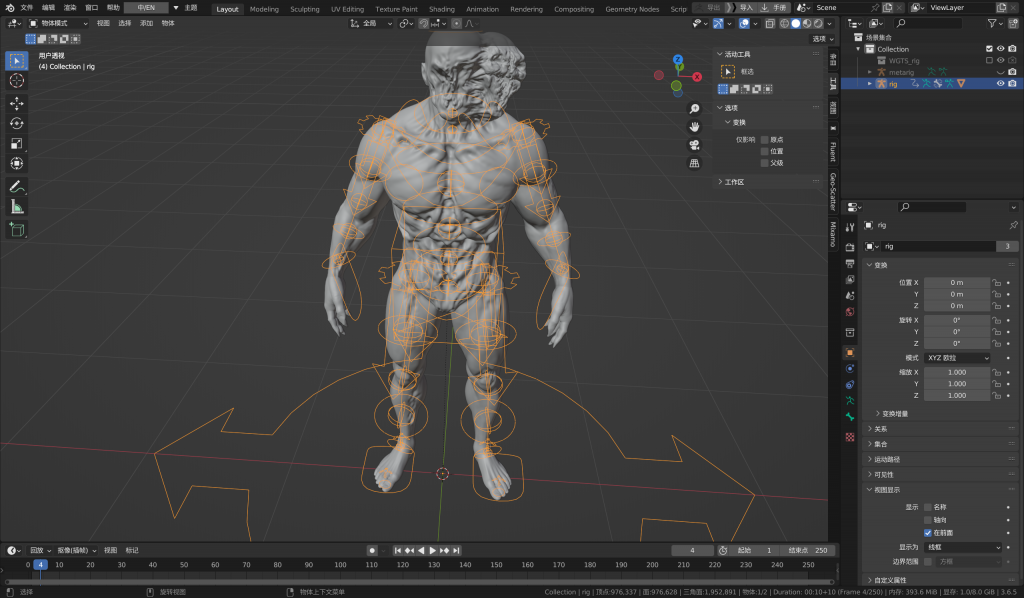
Retopologised for cleaner geometry and easier integration.
Focused on unsettling details to symbolise distortion caused by envy.
I used the Maya topology
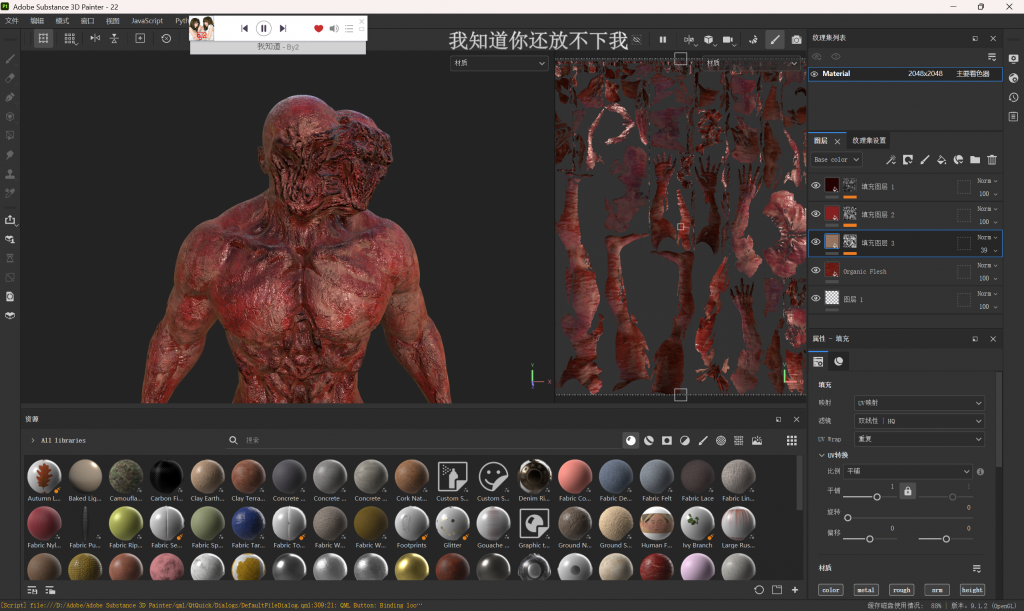
I used Substance Painter to create the model material
Gate Modelling (My Role)
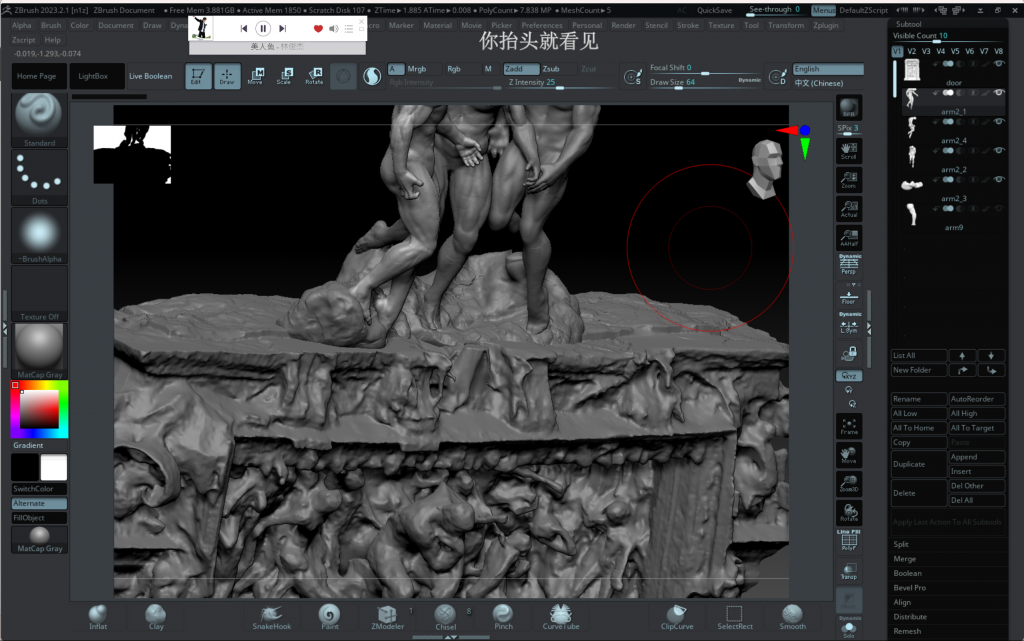
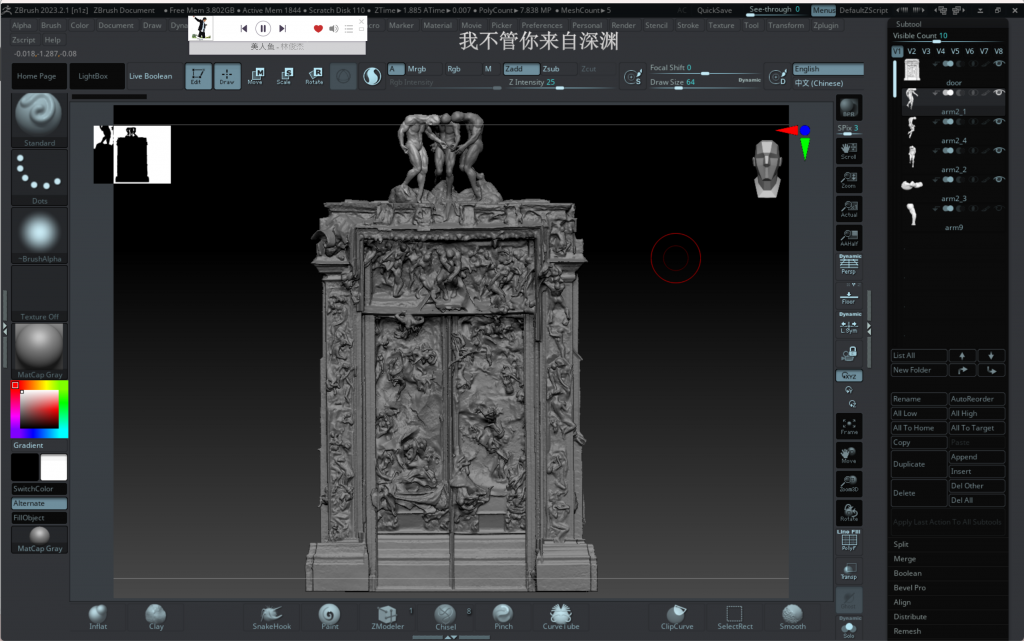
- Designed a stylised Gates of Hell in Blender.
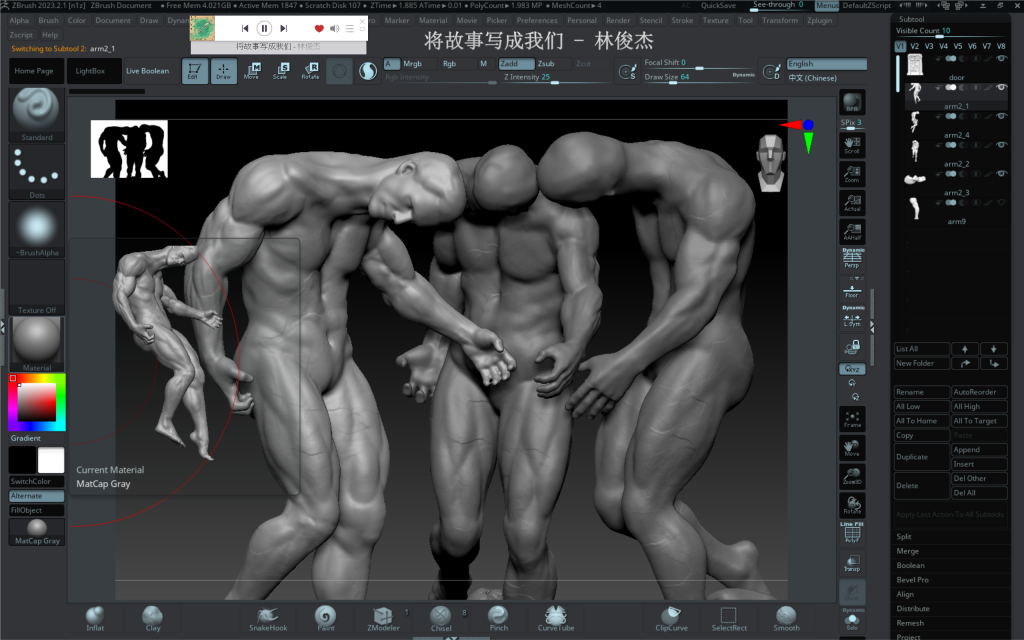
- Referenced Rodin’s sculpture but adapted the forms to match our surreal tone.
- I also used zbrush to sculpt this door and shape the materials.
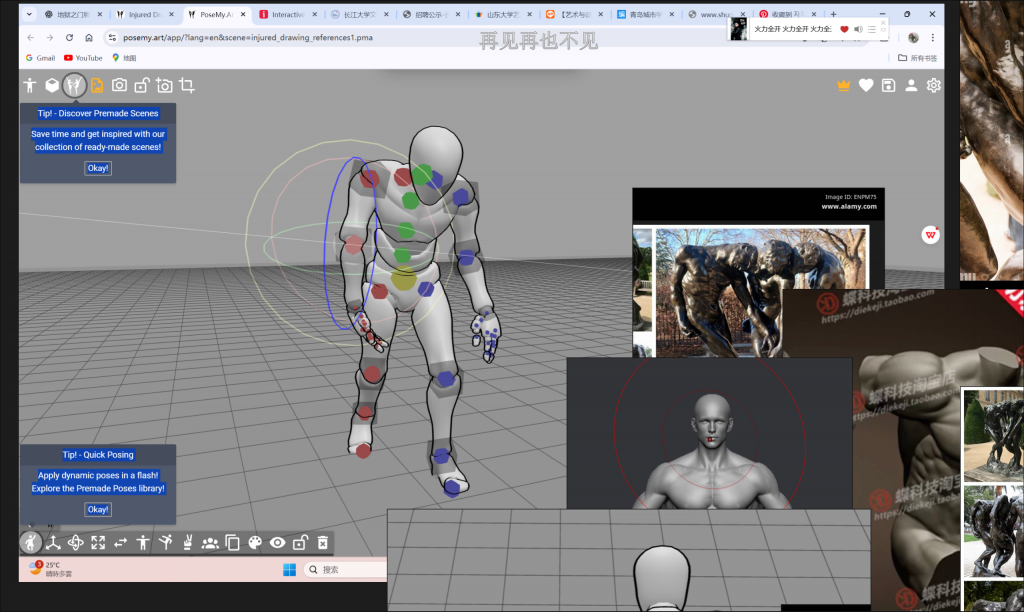
I used posemy to adjust the posture of body
Collaboration
- Handed my creature and gate models to my teammate.
- Teammate worked on layout, texturing adjustments, lighting, and compositing into the final CG scene.
- Learned the importance of naming conventions and organised files for smoother teamwork
Personal Live-Action Composite
To extend my learning, I placed the monster into a piece of real footage.
- Filming: used a simple static plate for easier tracking.
- Tracking: aligned the CG camera in Blender with the real plate.
- Integration: matched lighting and scale, added shadows for grounding.
- Compositing: adjusted colour/contrast to better match the footage.
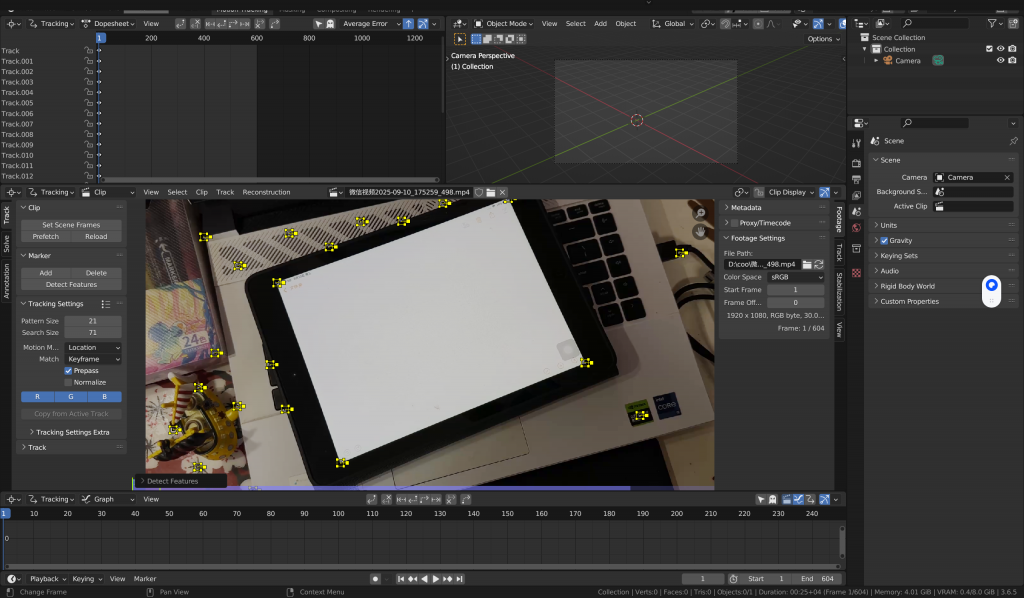
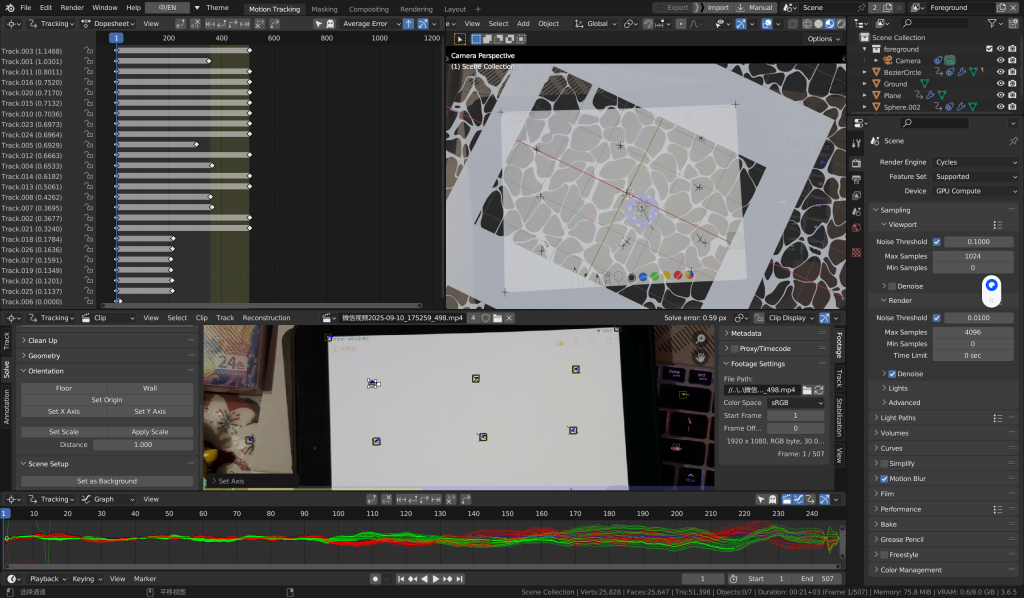
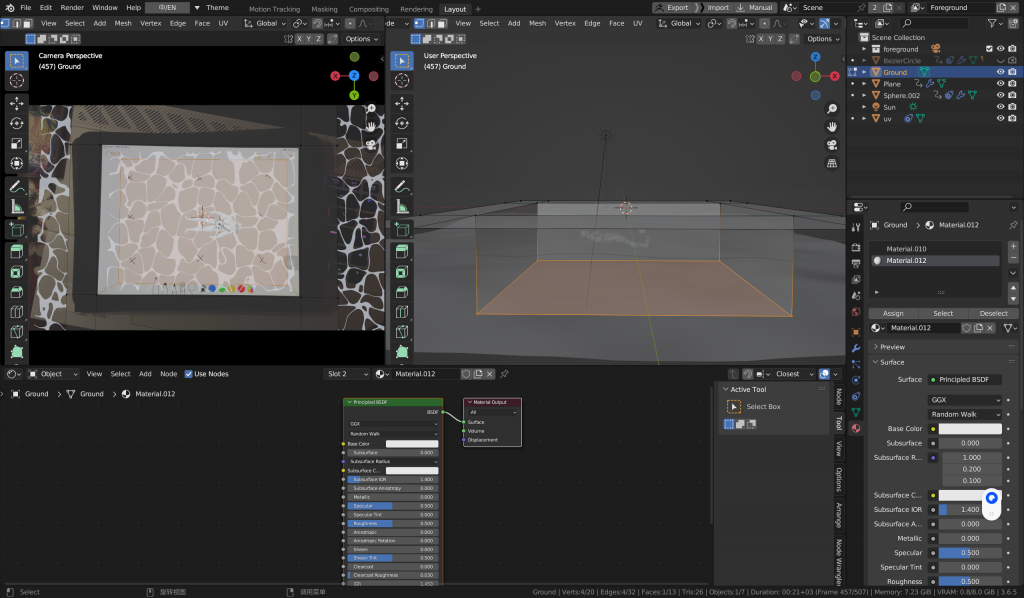
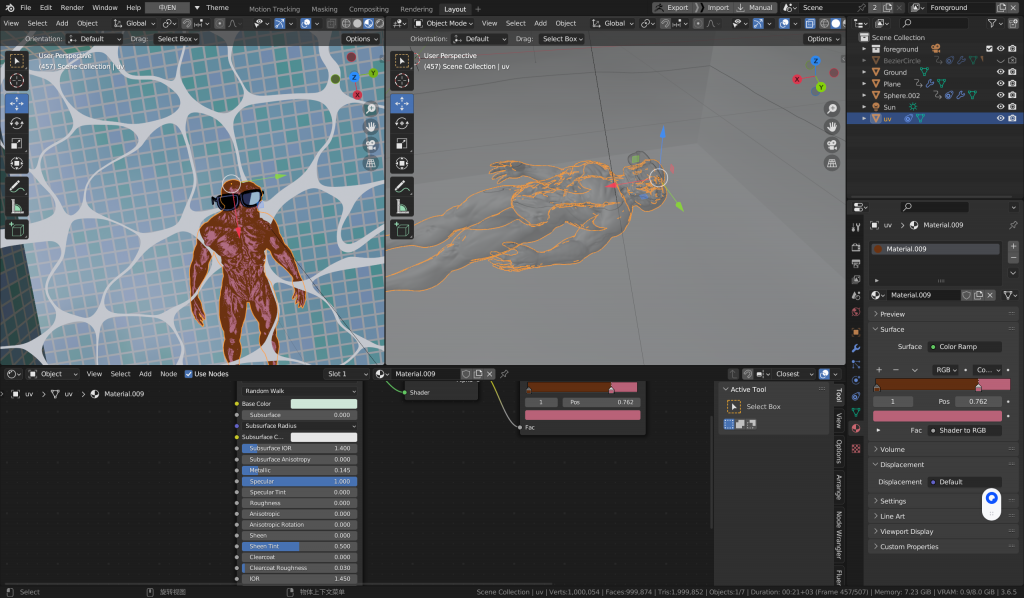
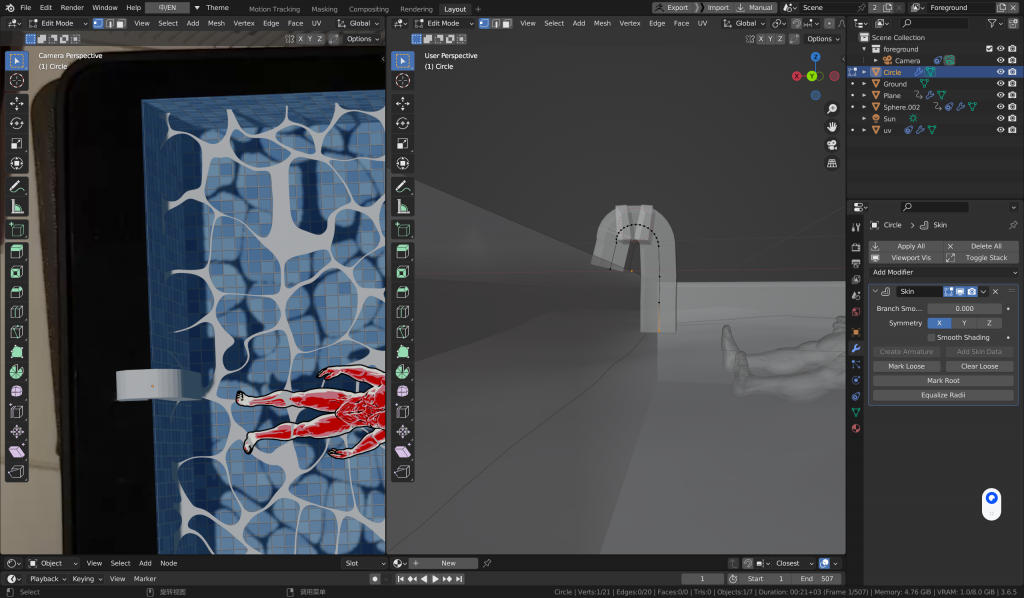
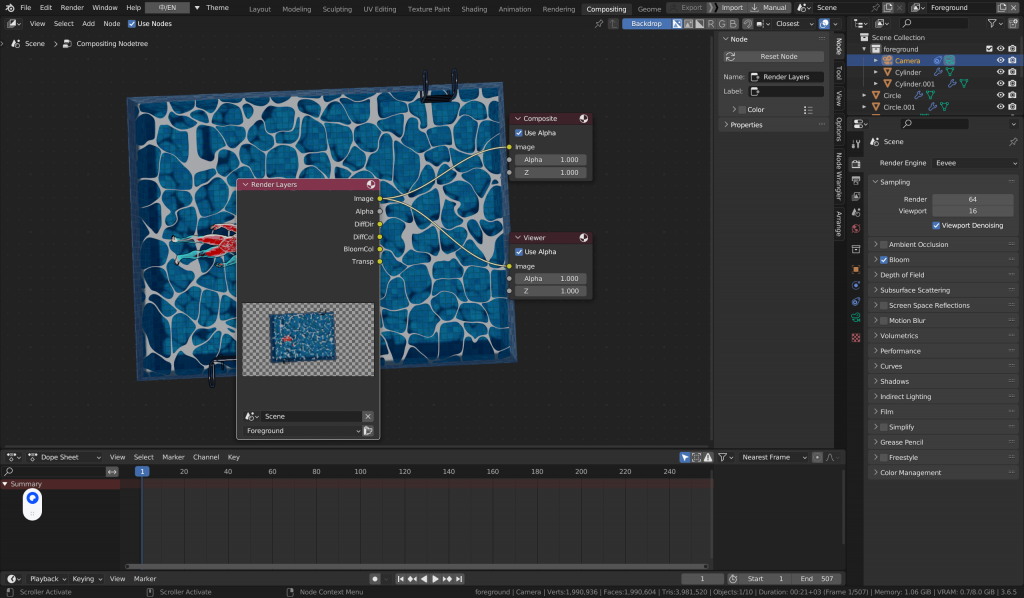
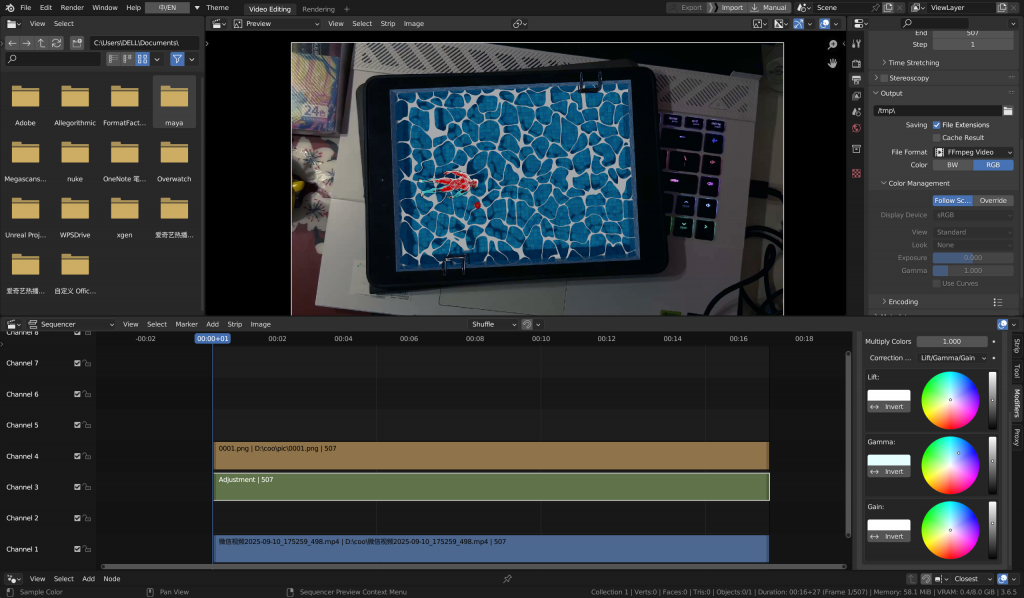
This short clip allowed me to complete a full workflow: shooting → tracking → integrating → rendering → compositing.
Challenges
- Creature retopology was time-consuming due to its complex sculpt.
- Matching the gate’s style to the overall scene required balancing detail and readability.
- For the live-action test, lighting was the hardest to match; small inconsistencies made the CG stand out.
- The hardest part was the lighting. Even small changes in shadow or brightness made the monster look out of place. I also had only one short shot to work with, so I had to make it as clean as possible.
Reflection
This project gave me experience in both teamwork and individual experimentation.
- In the collaborative CG short, I strengthened my creature sculpting and learned how to prepare assets for a shared pipeline.
- In the live-action composite, I gained confidence in camera tracking and integration, completing my first full compositing workflow.
I realised that my strengths are in sculpting and asset creation, but I need more practice in shot design, animation, and advanced compositing techniques. Even though the live-action test was simple, it taught me a lot about light, shadow, and perspective.
Even though it was a very simple test, it was my first time completing a full live-action compositing workflow by myself. I learned a lot about camera tracking, matching perspective, and blending CG with real footage.
It gave me more confidence to try bigger shots in the future. For now, I am happy that I managed to bring my creature into the real world, even for just a moment.
breakdown
Leave a Reply