Author: Zhenya Yang

  • Presentation

    Title:

    Project Background

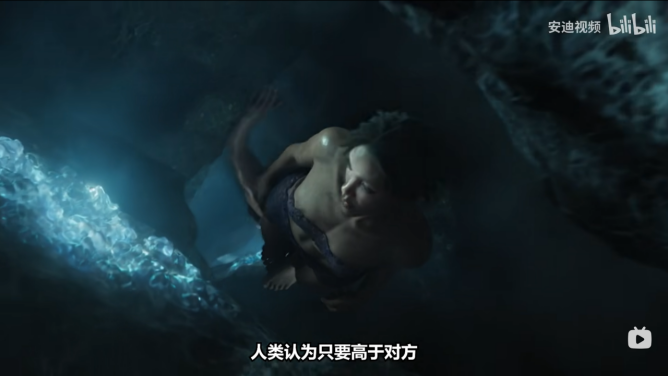
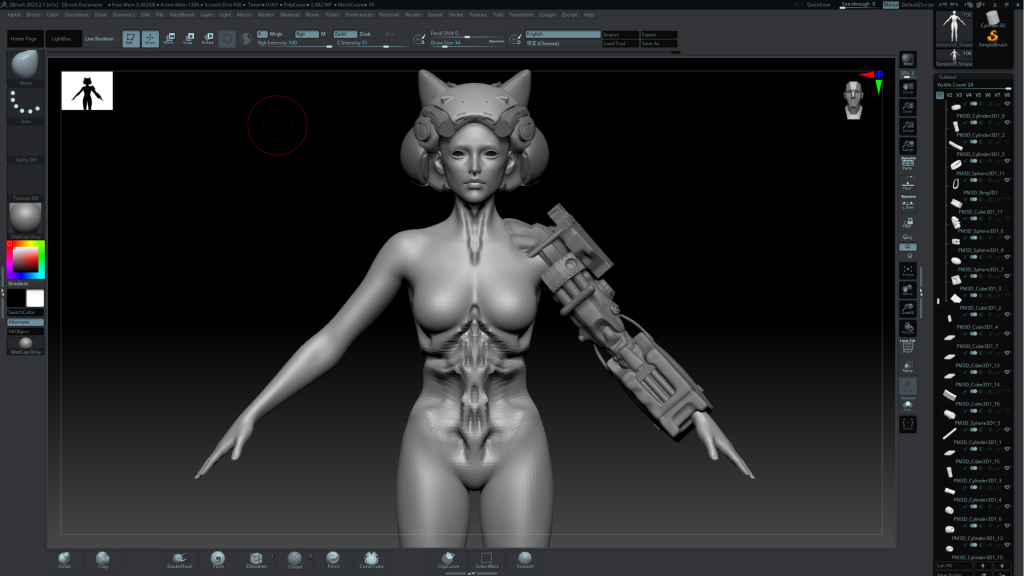
    This project is set in a post-AI-crisis world. To preserve human emotion and natural memories, an AI system called “Eco-Memory Archive” was built. This girl is the last container designed to carry emotional fragments — she is a hybrid of human and machine, embedded with extinct animal memories.

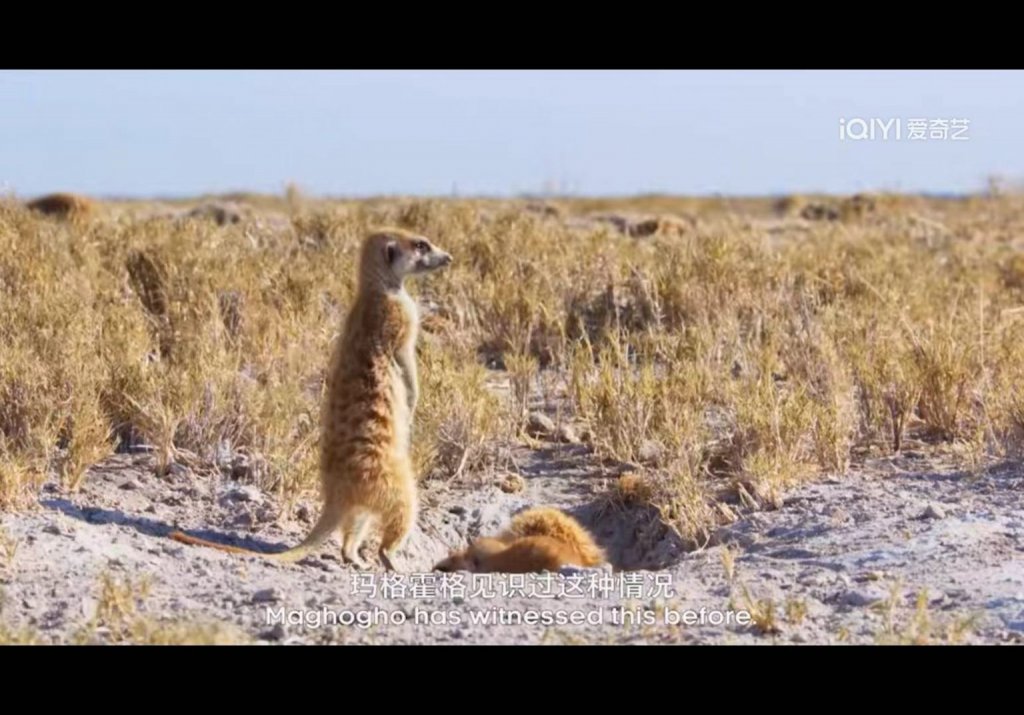
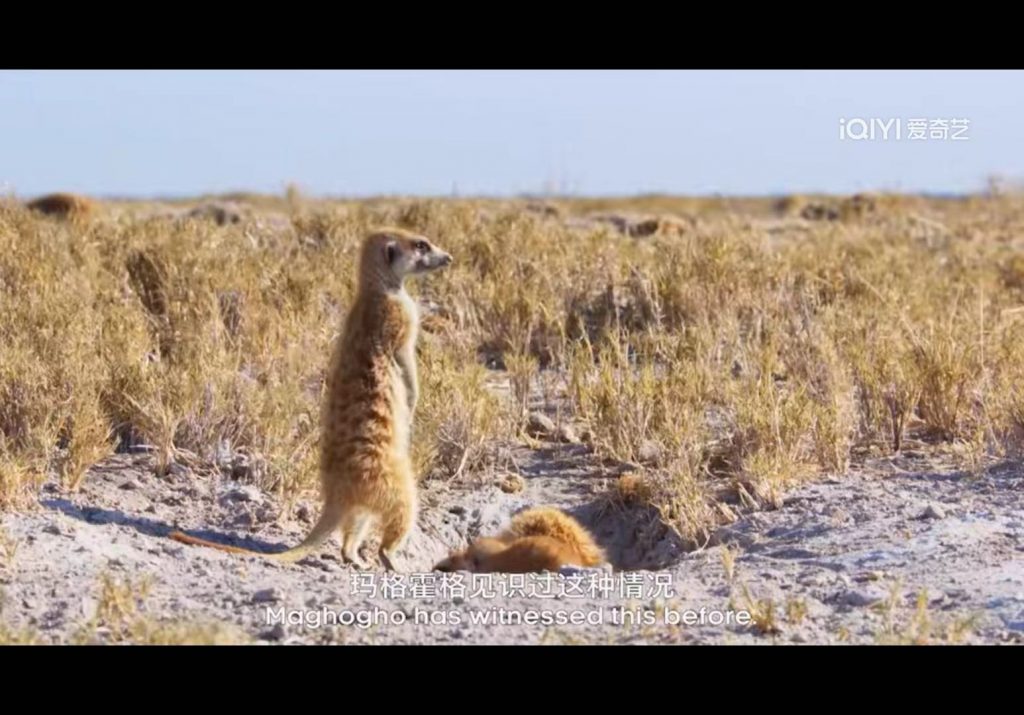
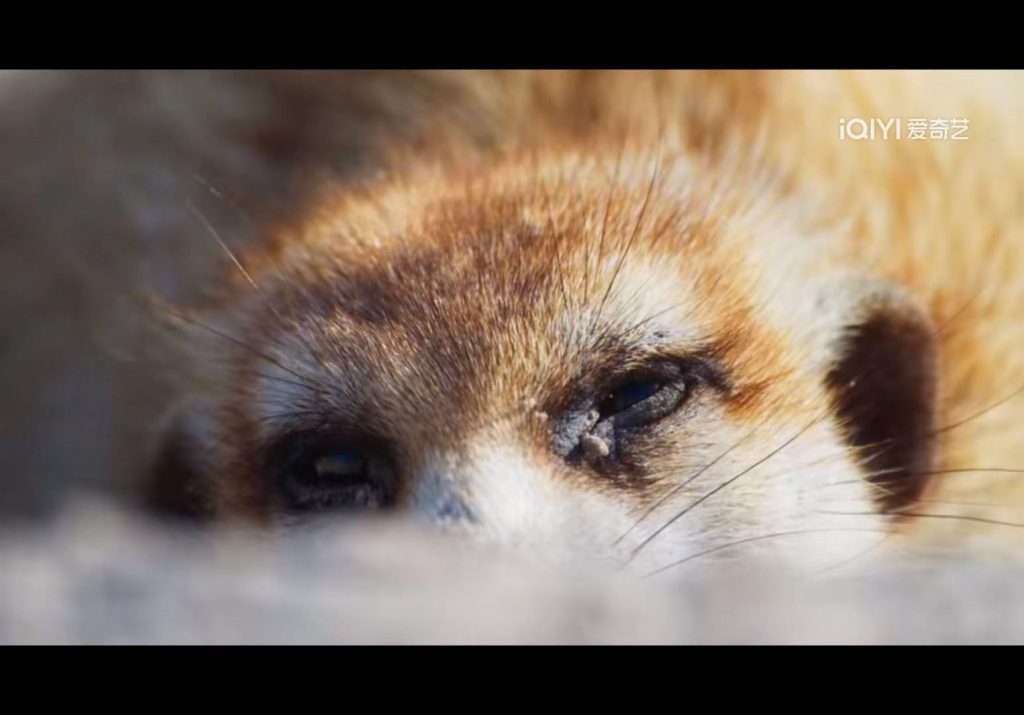
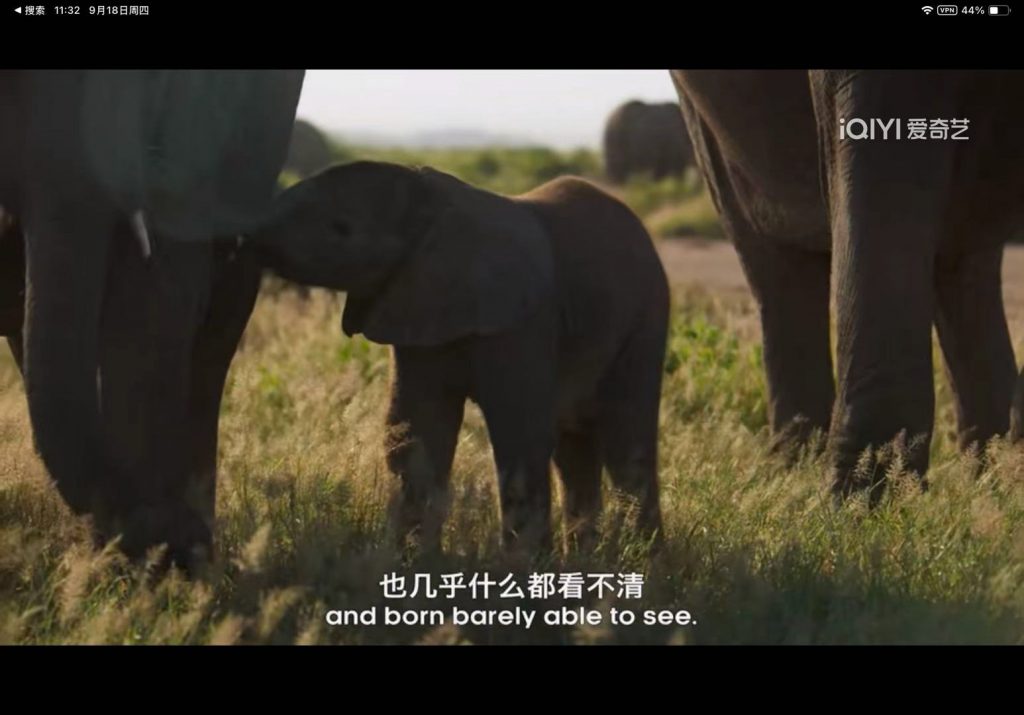
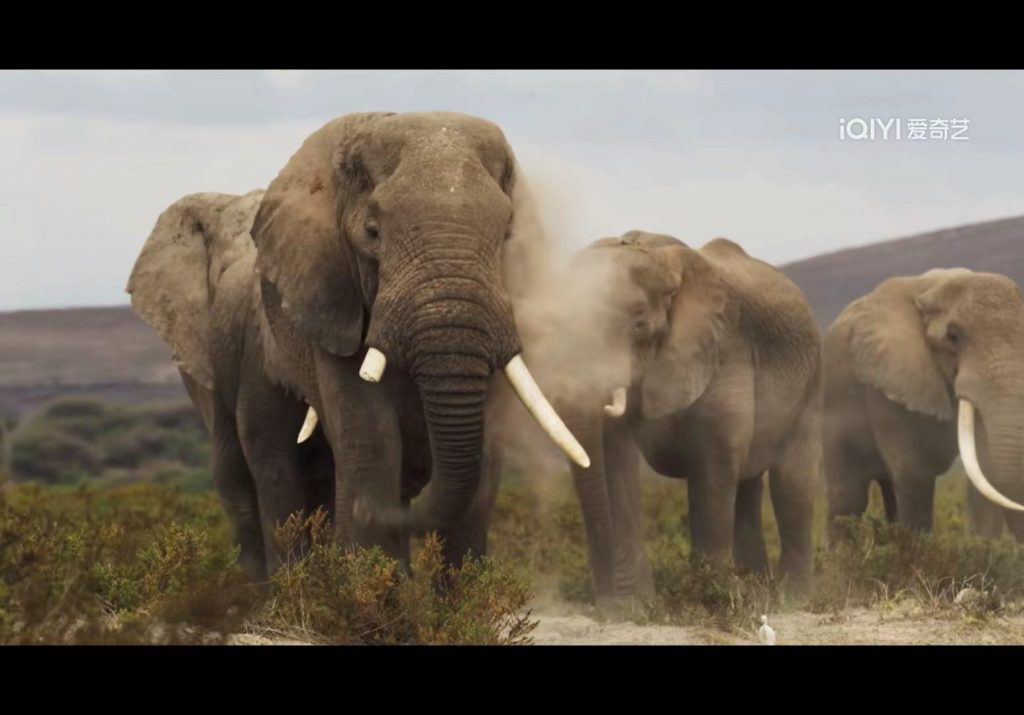
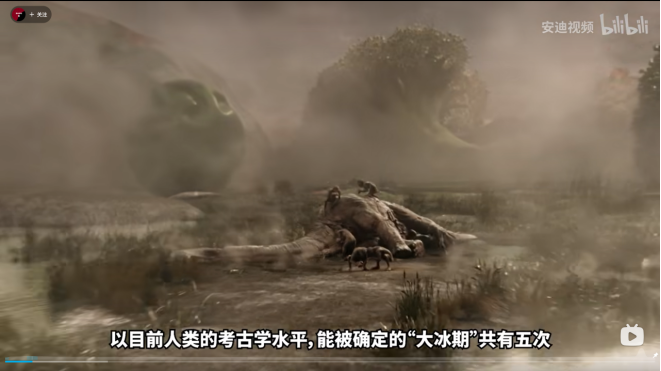
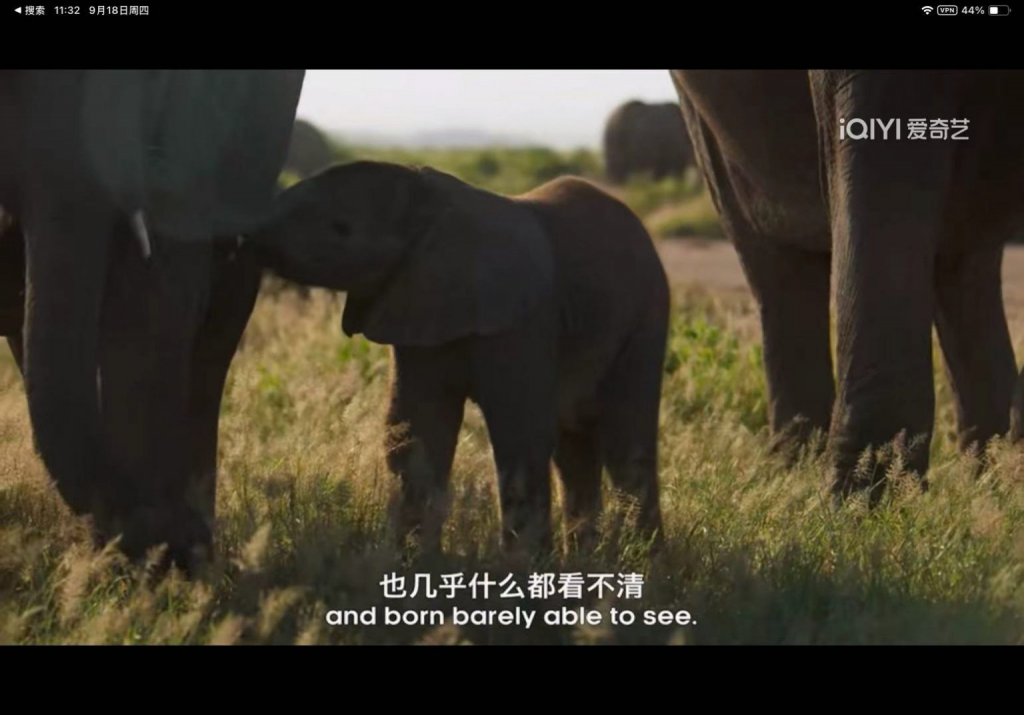
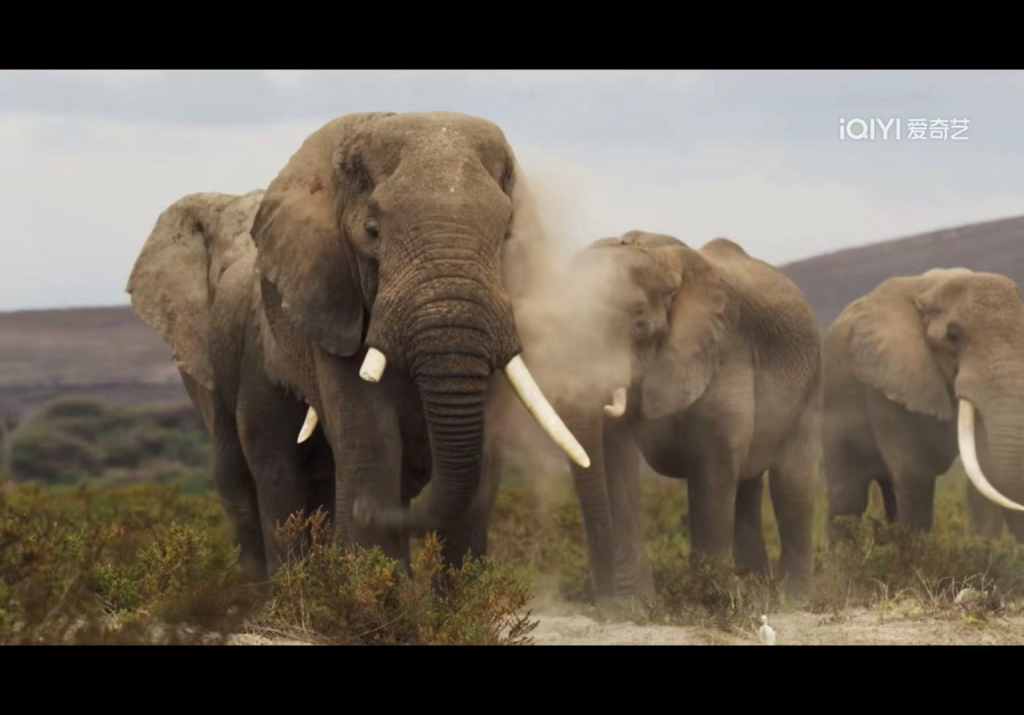
    I was deeply moved by the animal stories in BBC’s “Dynasties II” — especially the mother puma, meerkat families, and elephant herds. Their emotional intensity and social bonds during survival crises inspired my concept of the girl as a container for ecological emotions.
    \

    Character Design Overview

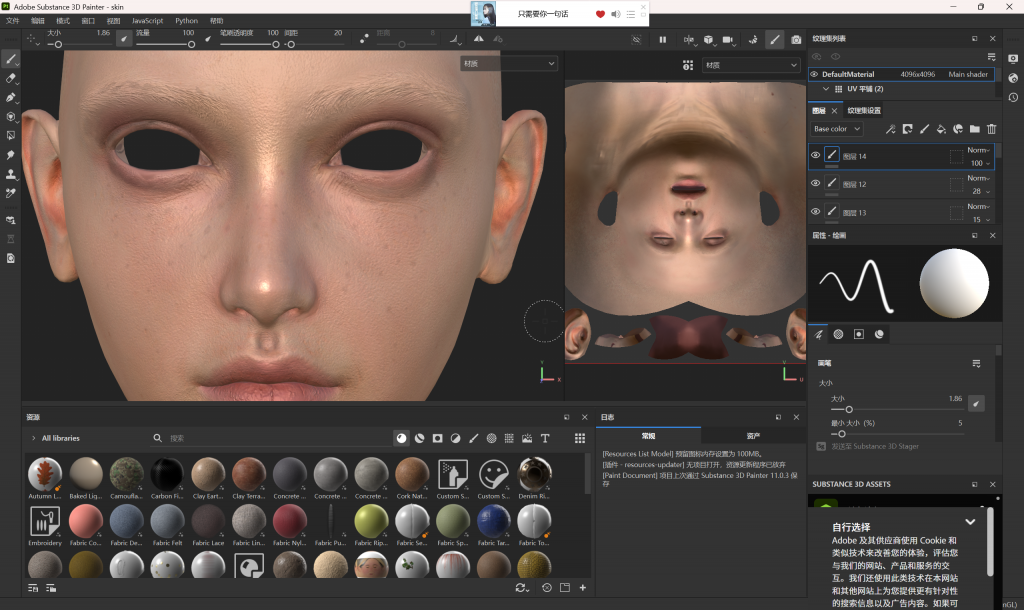
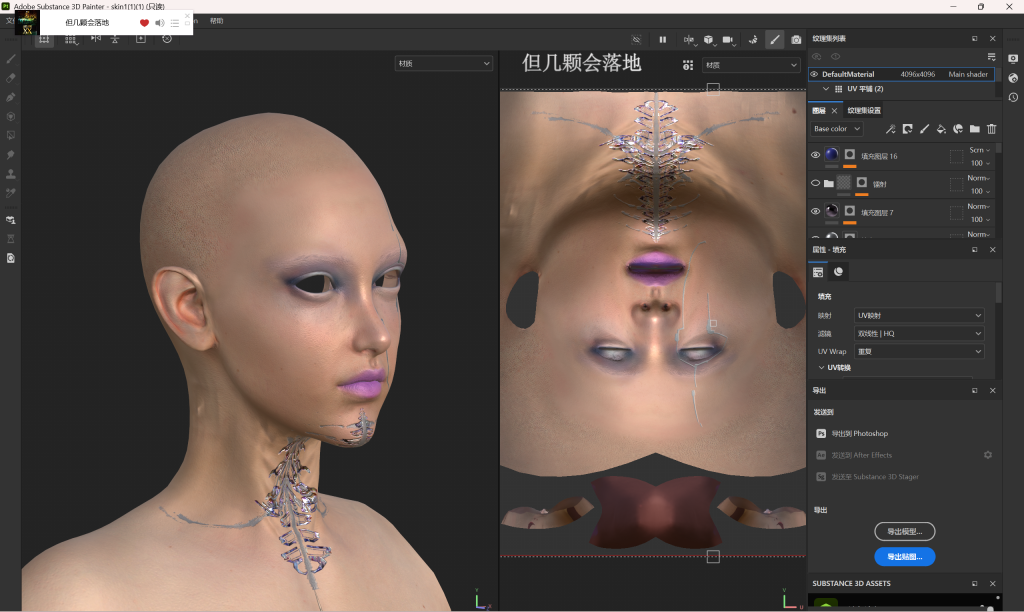
    She can only receive AI’s memory inputs. Her stitched body features memory upload ports, and her skin carries textures and patterns from endangered animals.

    Workflow Overview

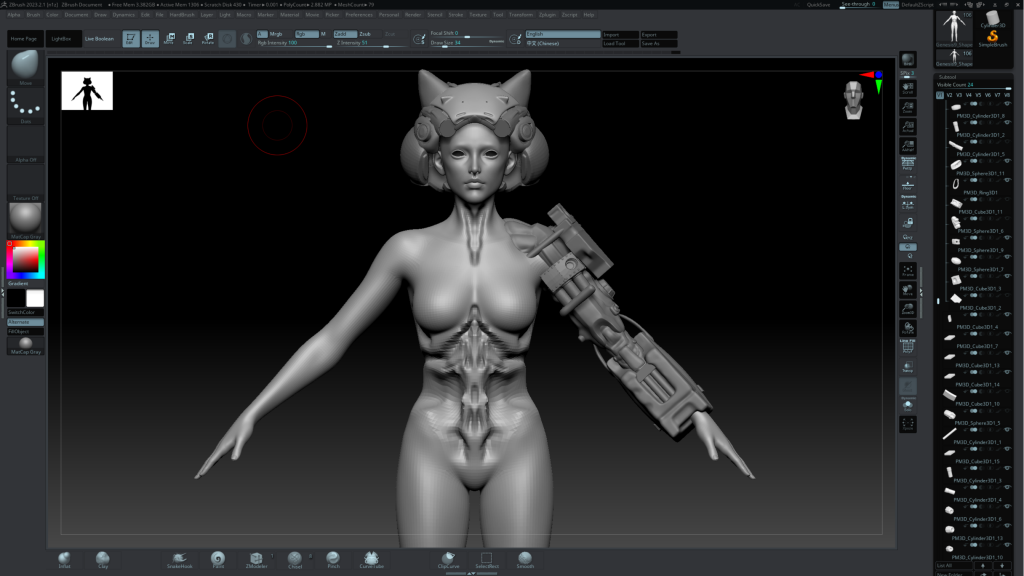
    1.Sculpted in ZBrush with clear muscle structure and facial detailing.
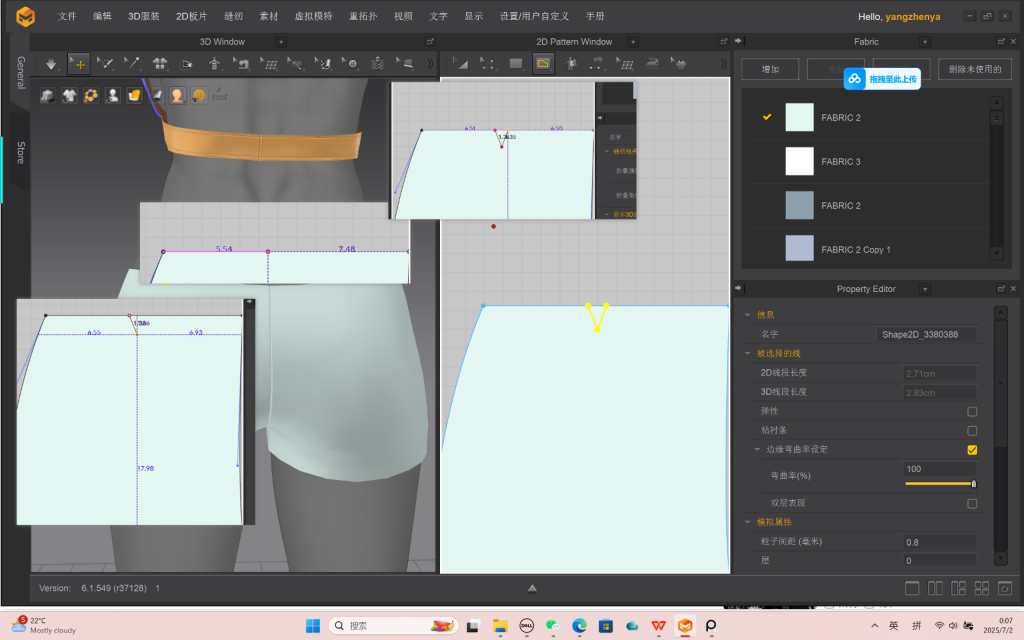
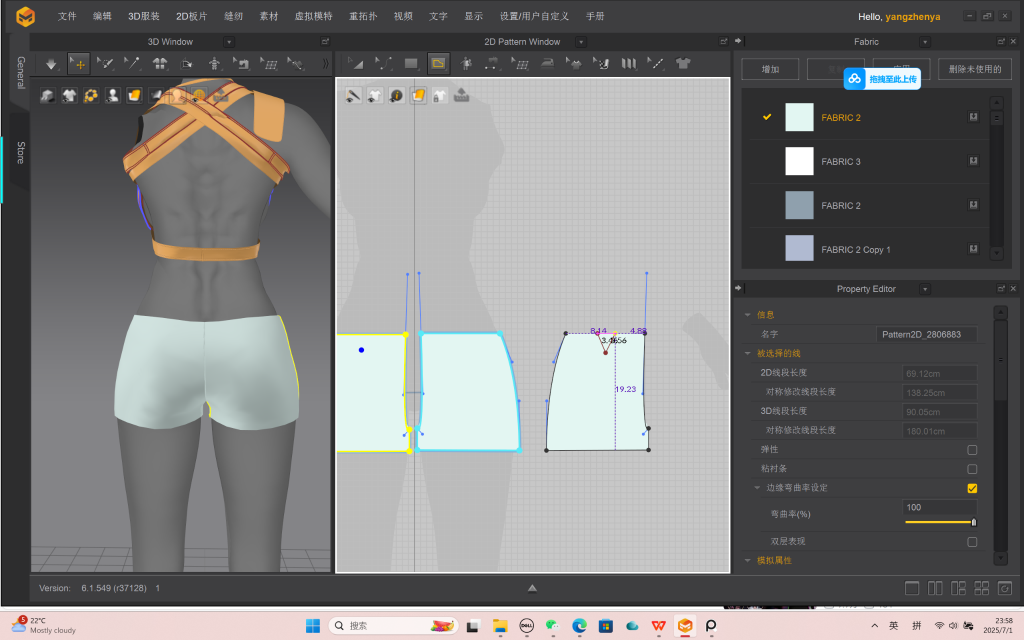
    2.Costume designed in Marvelous Designer
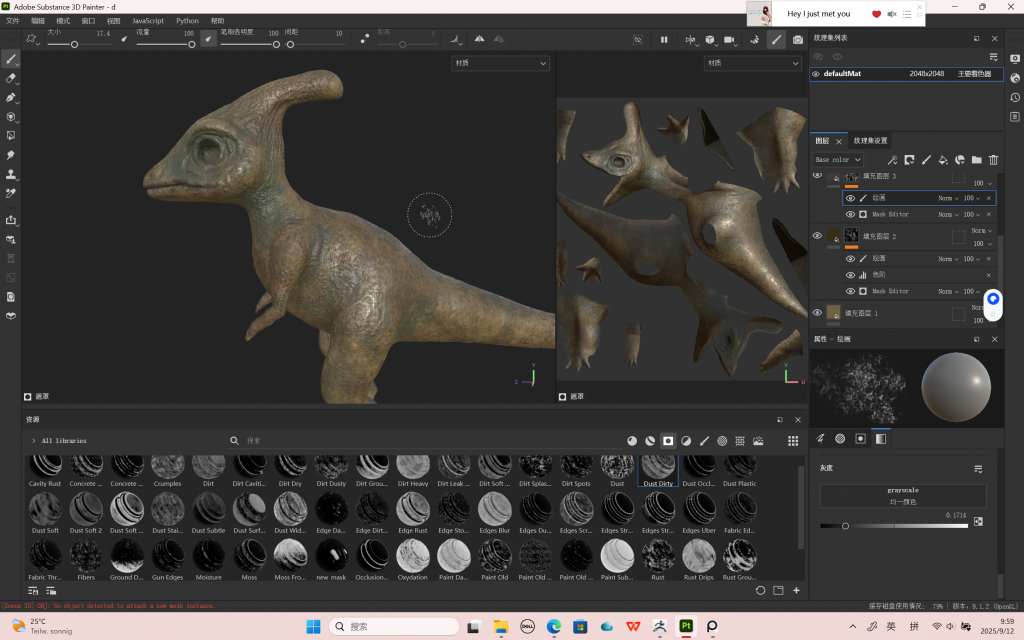
    3.Texturing in Substance Painter — layered skin, metal scars, and totem textures.
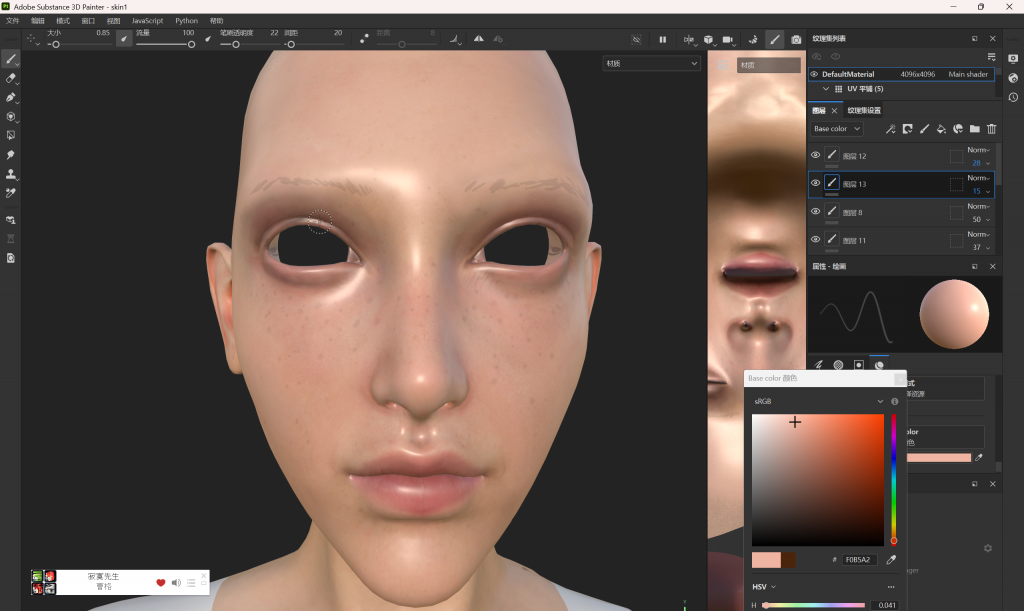
    4.Rigging and rendering done in Blender.

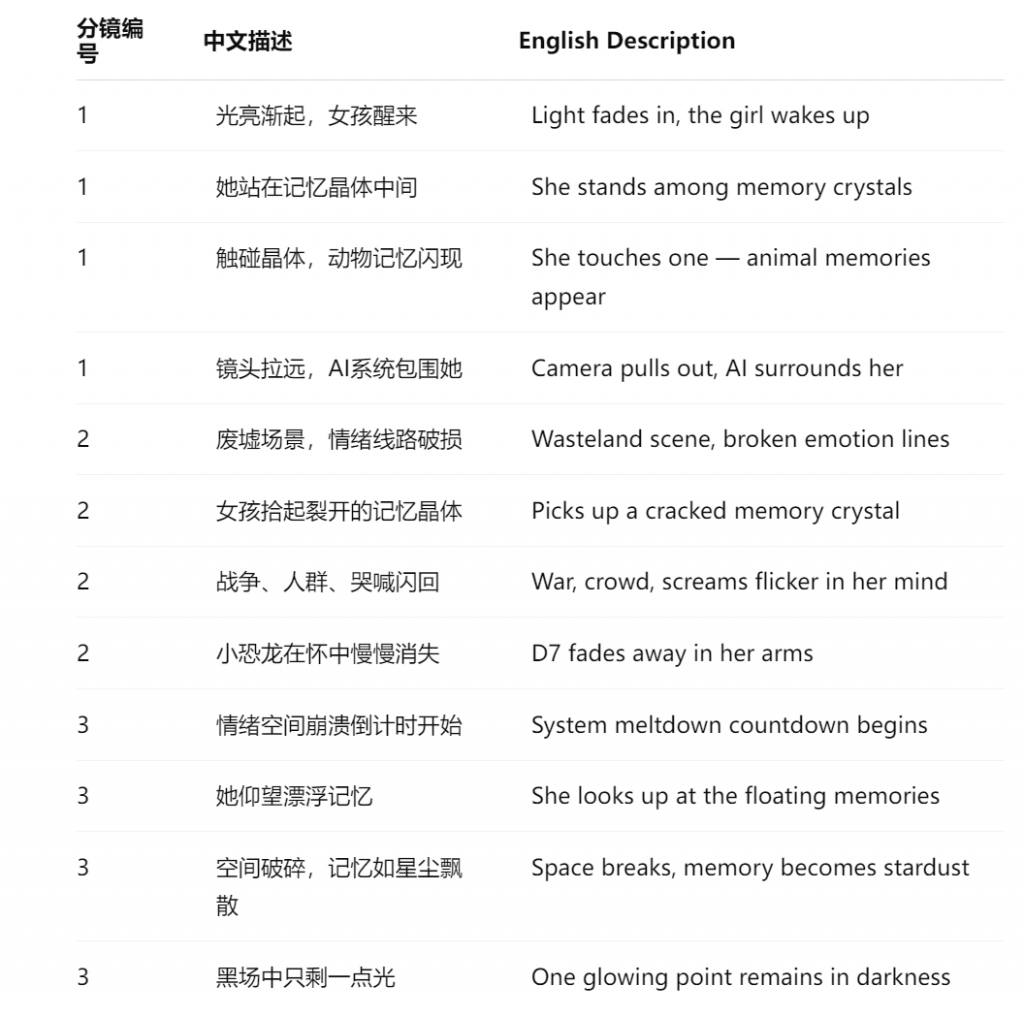
    Some storyboards I generated with ai
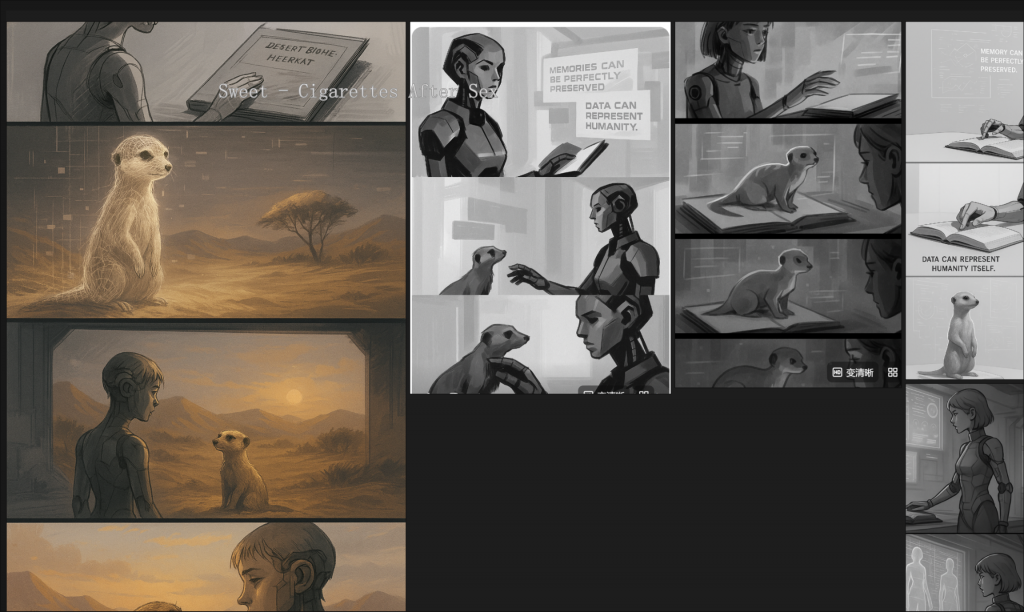
    Side Character – Dinosaur D7

    Her only companion is a small dinosaur named D7. It is not a real creature, but a projection born from her childhood memory. It “hatches” out of the gap in her archived emotions and stays by her side until her emotional breakdown.
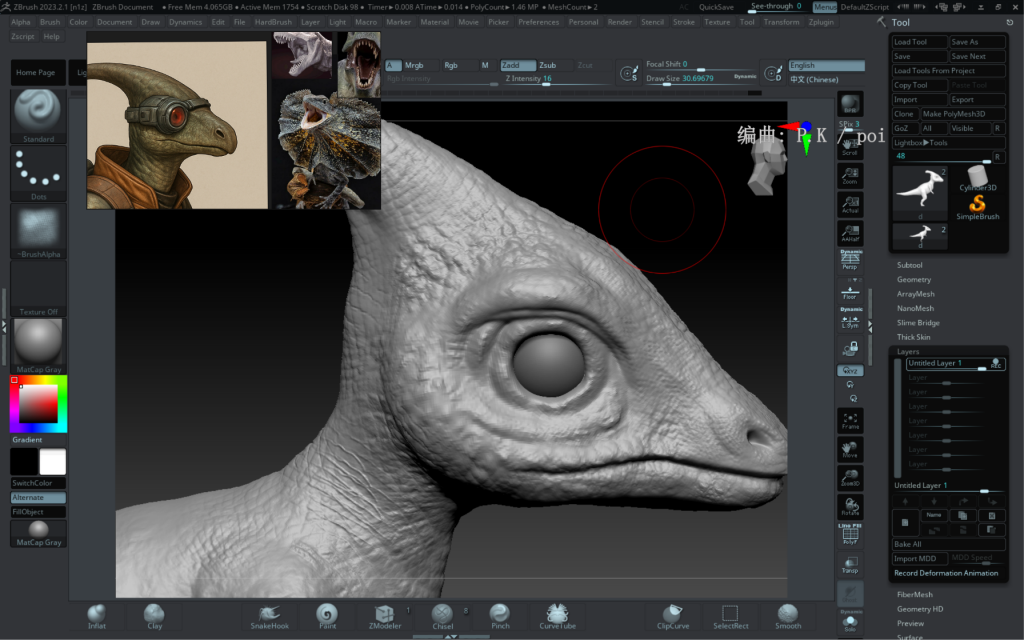
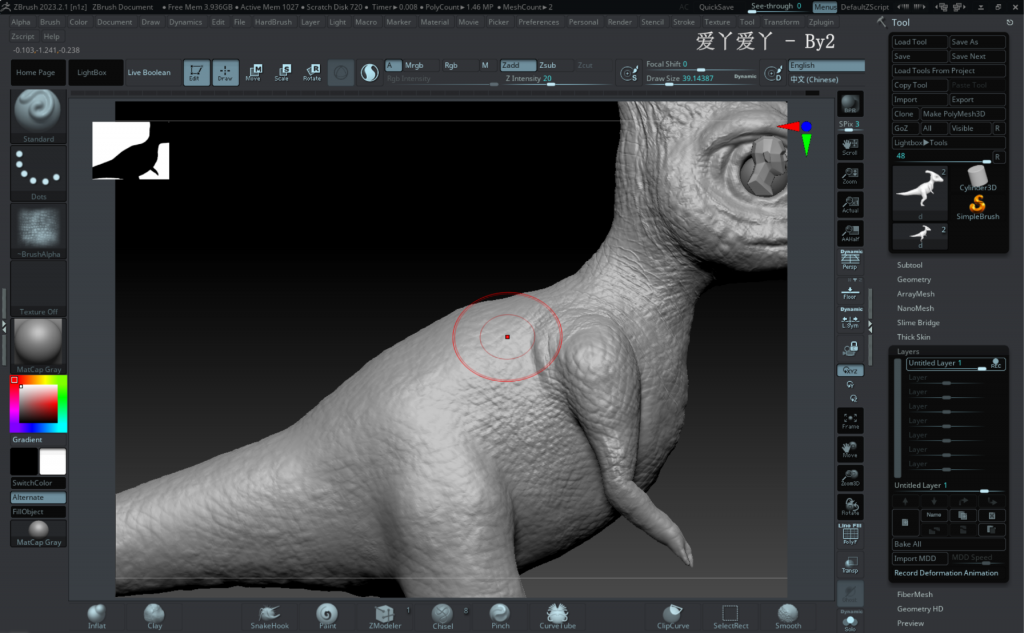
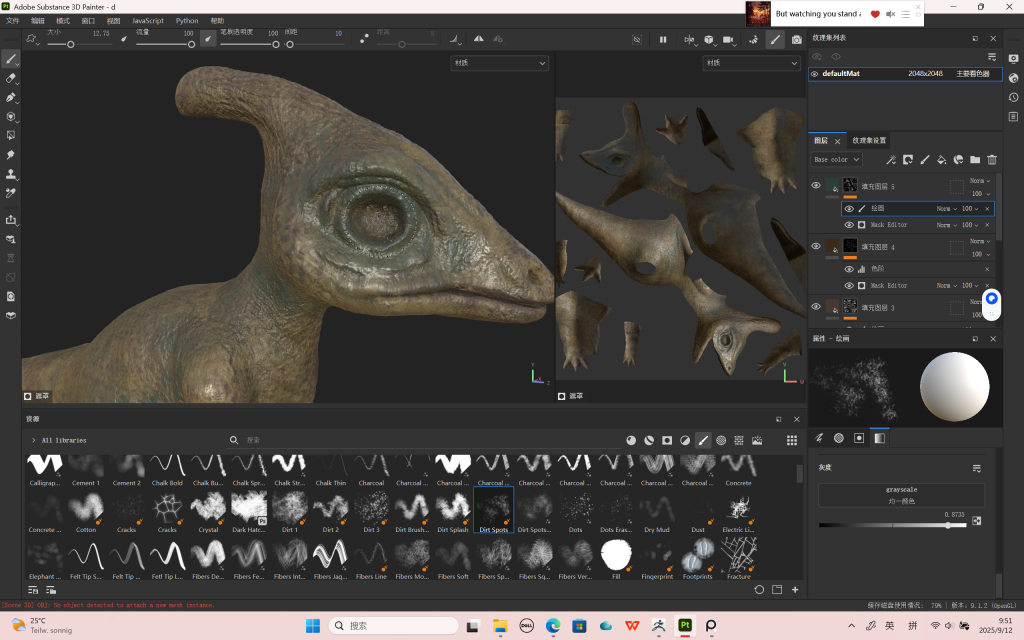
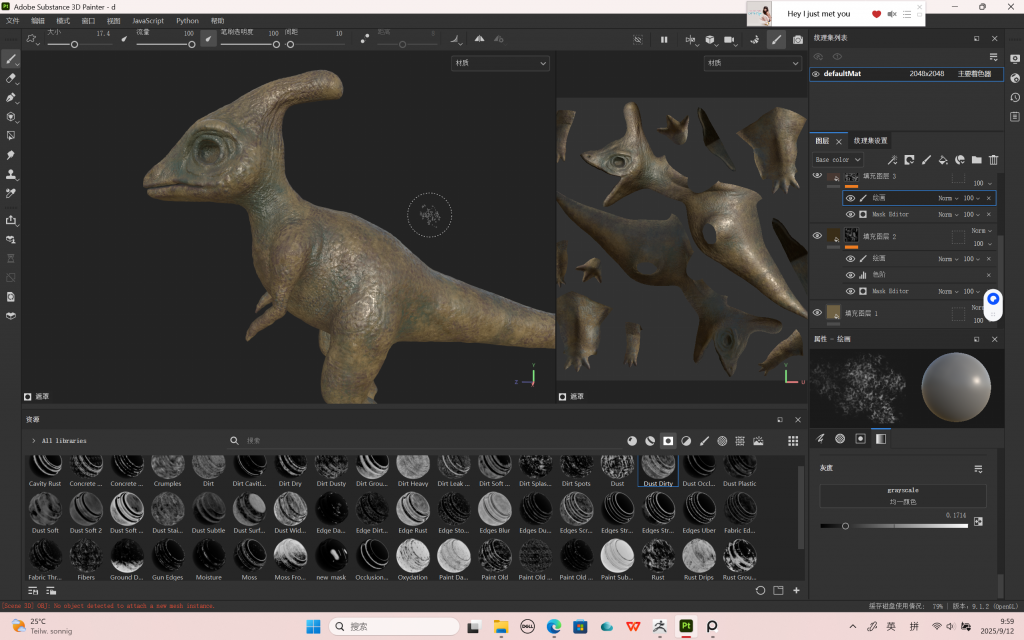
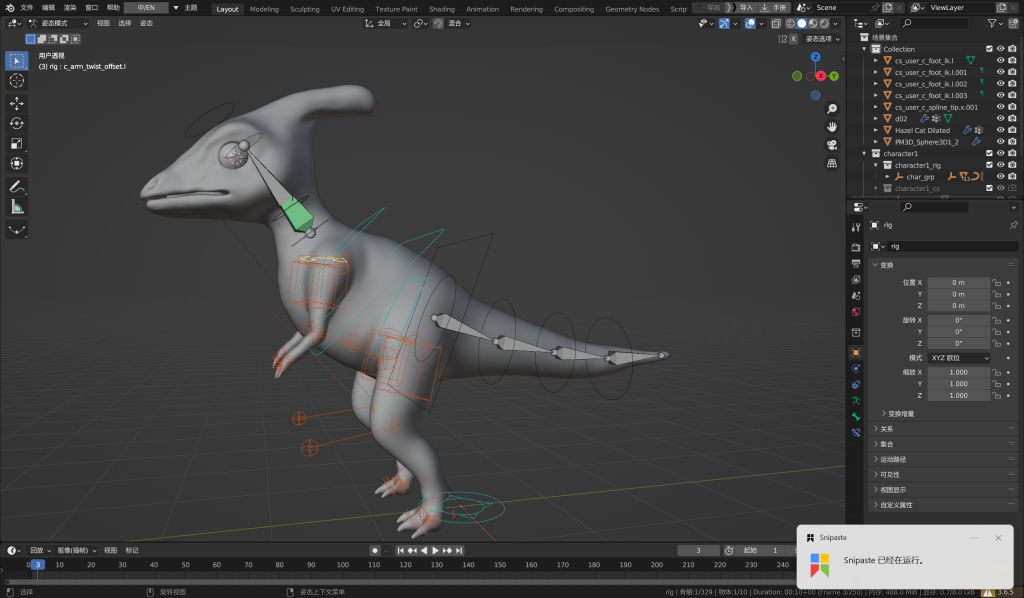
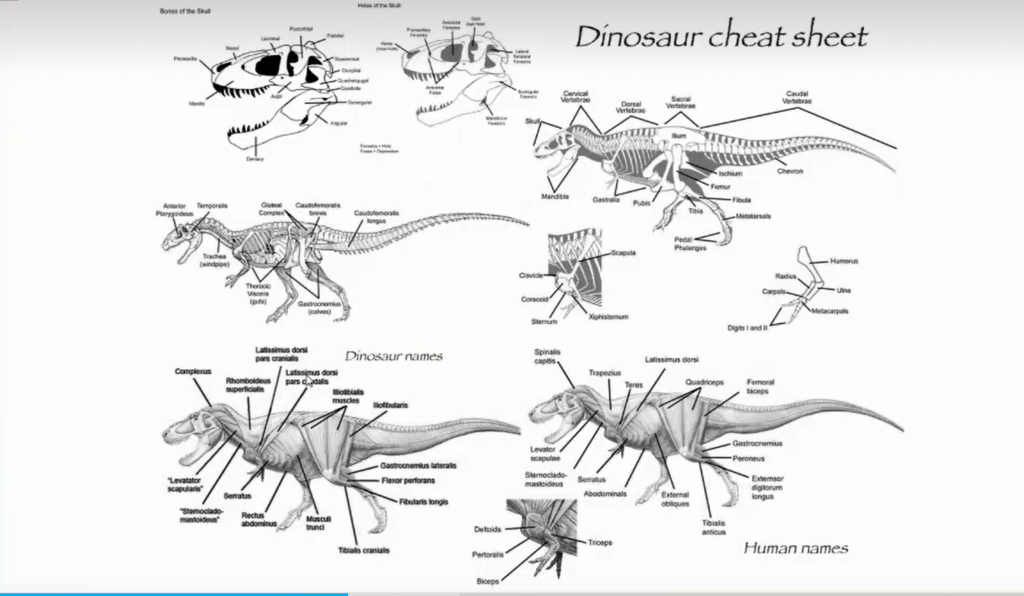
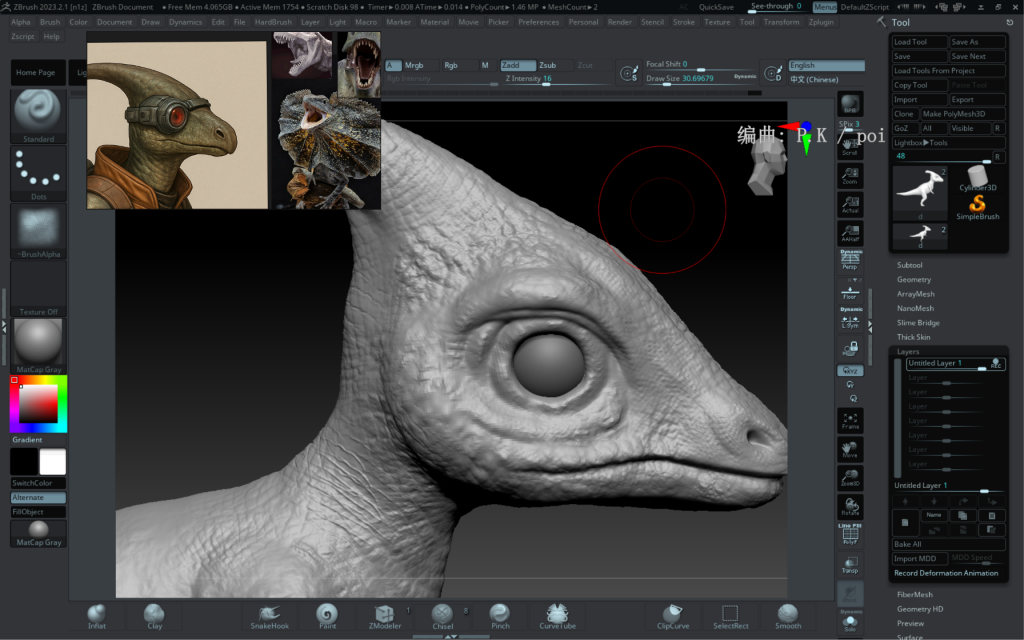
    D7 was sculpted in ZBrush, textured in Substance Painter, and rigged in Blender. Its design is inspired by the parasaurolophus, mixed with human-like expressions and childlike proportions.

    Visual & Conceptual Style

    This character blends ecological perception with mechanical coldness — pale metallic skin, hollow eyes, and stitched totem lines embody her post-human, substitute identity.

    Inspiration Board

    • BBC Dynasties: inspired the idea of memory-driven animal survival
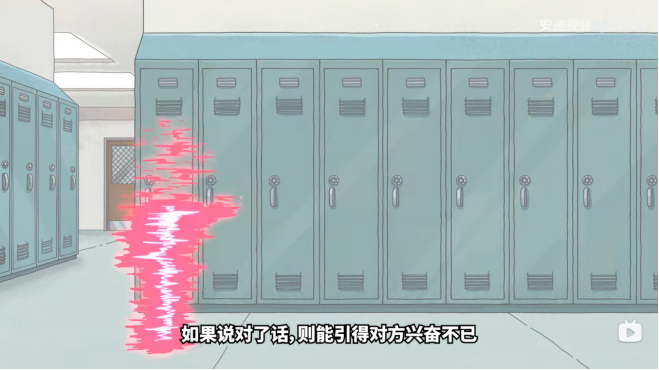
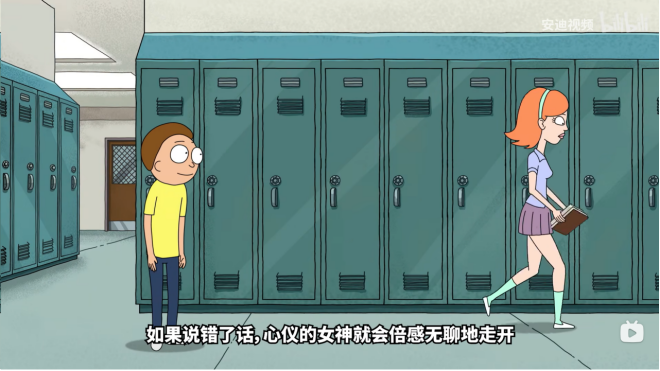
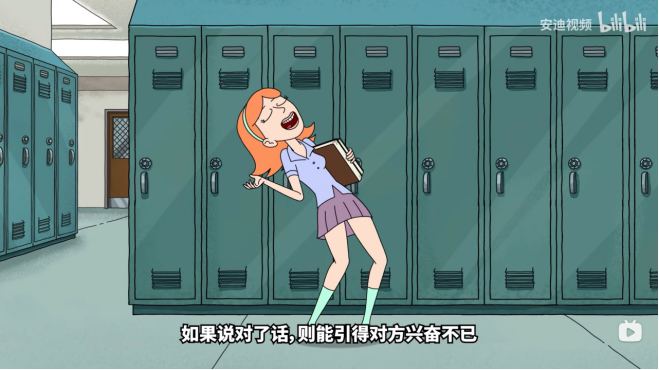
    • Rick and Morty S6E3: substitute consciousness and bodily control
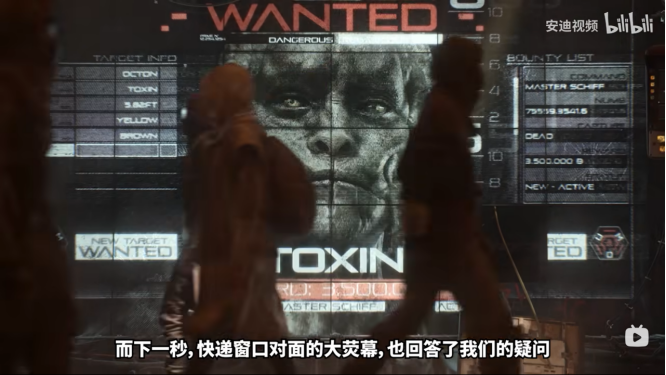
    • Love, Death + Robots: Zima Blue and The Witness — post-human identity
    • Blade Runner 2049: Joi as an emotional AI projection
    • Annihilation: mutated bodies and ecological transformation

    Metaphor for Real-World Conflict

    he girl also symbolizes the emotional remnants of real-world conflicts. She carries fragments of anger, fear, and grief— much like the ongoing wars today, where countless lives are lost and emotions are left unprocessed. She represents not only memory of the past, but also a cry for peace in the future.

    Summary

    This project is not just an art experiment — it reflects my thinking on how feelings can be stored. Through her, I explore how fragile yet precious human emotion is in a post-human world.

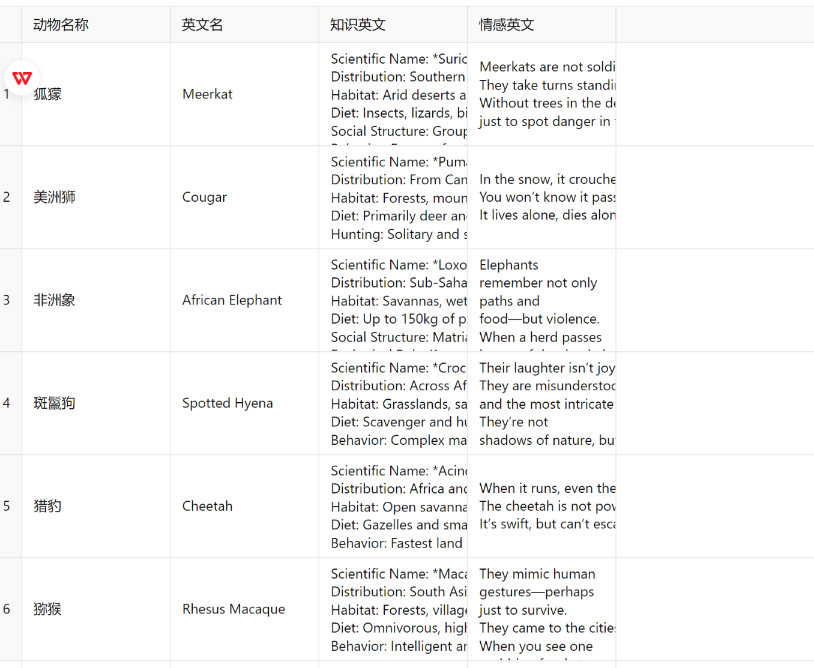
    storyboard table
  • Project 3:Written Reflection

    Eco-Memory Archive

    Introduction

    For this project, I want to explore a simple but big question: can memories stored as data ever replace real life?
    This idea came from my love of nature, my interest in sci-fi, and also the skills I’m learning now in VFX.

    Inspiration

    The starting point was the documentary Dynasties. It really impressed me because it shows how animals struggle to survive in the wild. This makes me hope that when I have time, I can go to Africa or Kenya to watch the great animal migration.

    But then I also thought about zoos. They are complicated. On one hand, some are badly managed and animals suffer. On the other hand, for many people, zoos are the only way to get close to animals. Not everyone can afford to travel to Kenya, Tanzania, or Antarctica. So zoos are like concerts: not perfect, but still a rare chance for people to feel that connection.

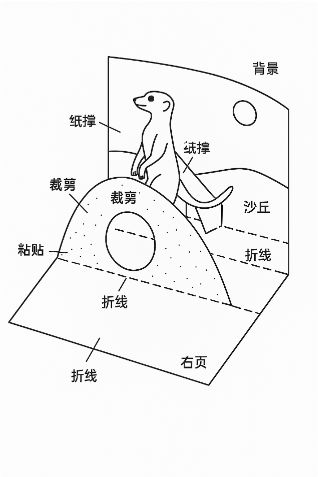
    From here, I started thinking about how to create new ways for people to connect with nature. At first, I imagined a physical book made of sustainable materials, where each page lets you touch animal textures – fur, skin, or bones. It would be both educational and sensory, and a way to understand animals without harming them.
    Personal Inspiration
    Another part of my inspiration is very personal. To be honest, my dream life is not sitting in front of a computer forever – it’s going to Africa to protect elephants, or going to Antarctica to protect penguins. I really care about animals and the environment, and sometimes I imagine myself living that kind of life.

    I also get a lot of inspiration from books. My favorite writer is Michio Hoshino , a Japanese wildlife photographer and essayist. His work is full of quiet reflections about nature and life.

    • In The Call of the Wild , he writes about his travels in Alaska, describing the beauty of untouched landscapes and the deep bond between people and wilderness.
    • In The Magical Language of Others , he talks about the way nature “speaks” to us through animals, seasons, and silence. Reading it makes me feel that nature is alive and has its own voice.

    These books always remind me that nature is not just a background for human life – it’s something we belong to. That’s why I want my project to carry both ecological and emotional meaning.

    Early Exploration

    • Documentaries and real animals → inspired by Dynasties.
    • Zoos and the debate → harm vs access.
    • A physical “book of nature” → made from sustainable materials.
    • Sci-fi futures → AI, memory, and human survival.
    • Character design → the half-human girl and her dinosaur companion.

    One big step was imagining a future world after a “machine crisis.” In this world, AI sees humans as ecological problems. Most nature is destroyed, animals are extinct, and humans only exist as experiments or as digital memories.

    Inside this world, a company builds the Eco-Memory Archive – an AI system that can store plants, animals, environments, and even emotions. Its mission is to create the “perfect ecological specimen.” But the key question is: is data enough to replace reality?

    I also explored different references.

    • From Rick and Morty I liked the “save/load” device idea – changing one choice, and the whole future changes.
    • From Love, Death & Robots I liked the “Alternate Histories” episode and especially “Swarm.” They show strange ecosystems and how fragile balance can be. The atmosphere of “Swarm” – cold, detailed, a bit terrifying – really inspired me.

    Visual Style

    I want to experiment with a 2D look in a 3D pipeline. This lets me sculpt and model in ZBrush/Blender, but render in a way that feels more like illustration or animation.

    Character Development

    • The Girl
      A half-human, half-machine protagonist. Her body shows the tension between soft, human parts and mechanical, digital parts. She is curious and vulnerable, and represents human emotion inside the archive system.
    • The Dinosaur
      A small parasaurolophus, designed as her companion. It looks cute.For me, it represents memory – warm but fragile.Another reason why I added dinosaurs is that I really like watching the movie Jurassic World

    Together, they reflect two sides of memory: the human side of feelings, and the digital side of storage.

    I have already created some simple characters, carvings and materials

    Reflection & Next Steps

    This project is exciting but also challenging. I sometimes feel unsure how to combine nature, sci-fi, memory, and characters all together. But I think that’s part of the process – trying, testing, and refining.

    Next, I will:

    • sketch simple storyboards,
    • build moodboards and style frames,
    • test rendering.

    In the end, I hope Eco-Memory Archive makes people think about this: when everything can be stored, replayed, or replaced by machines – what does “real” actually mean?

  • Project 2: Group Project- My part

    Inspiration & Concept

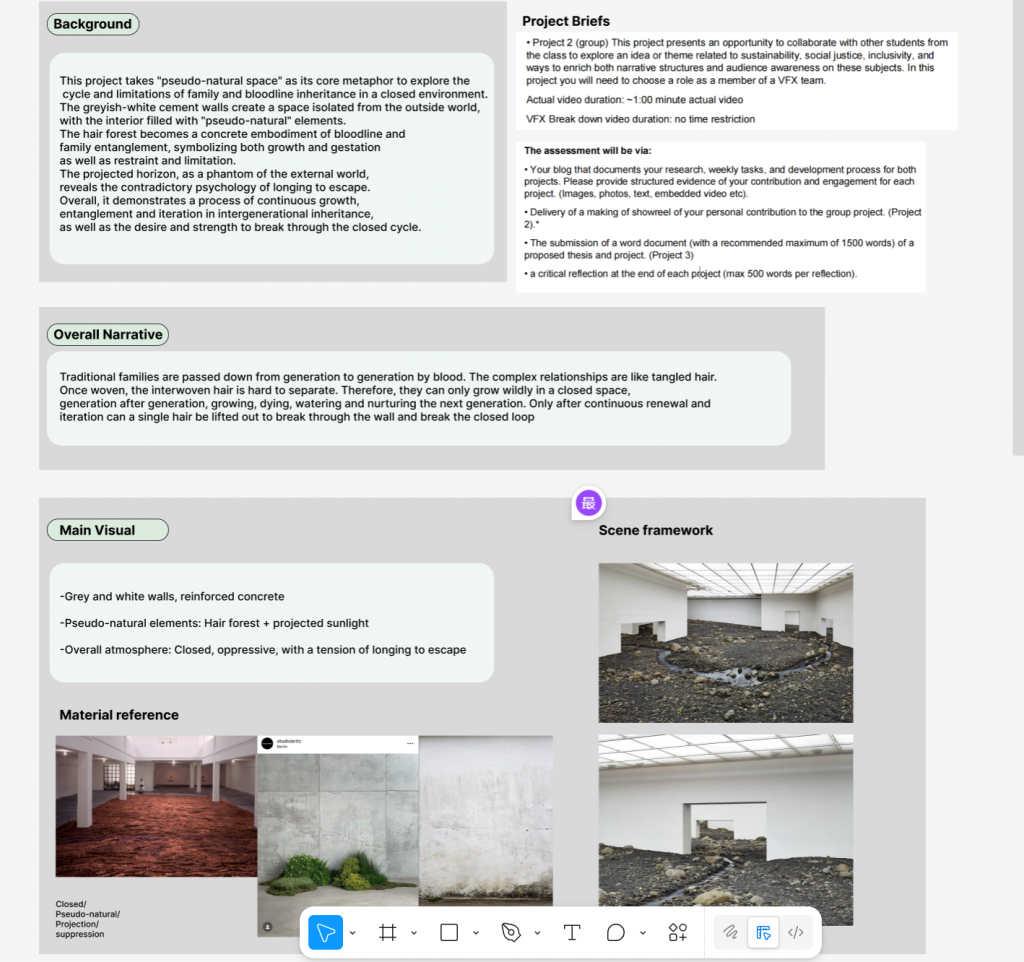
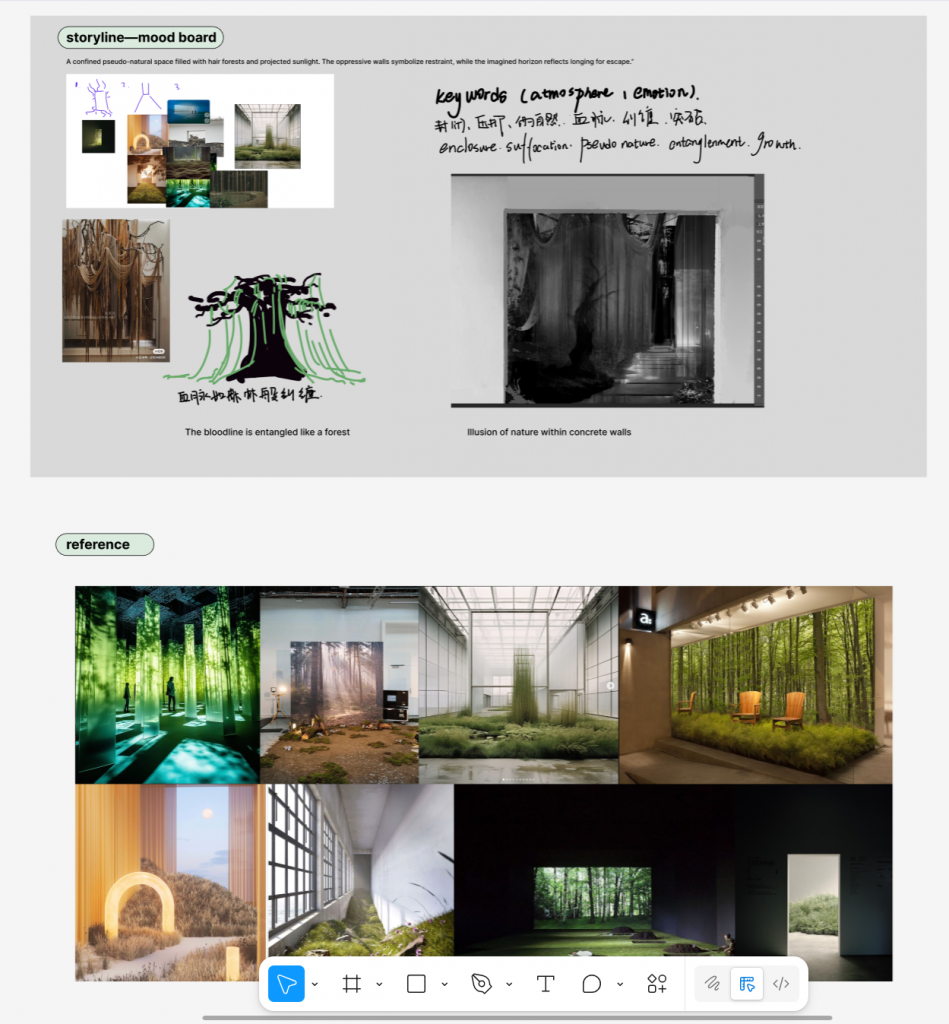
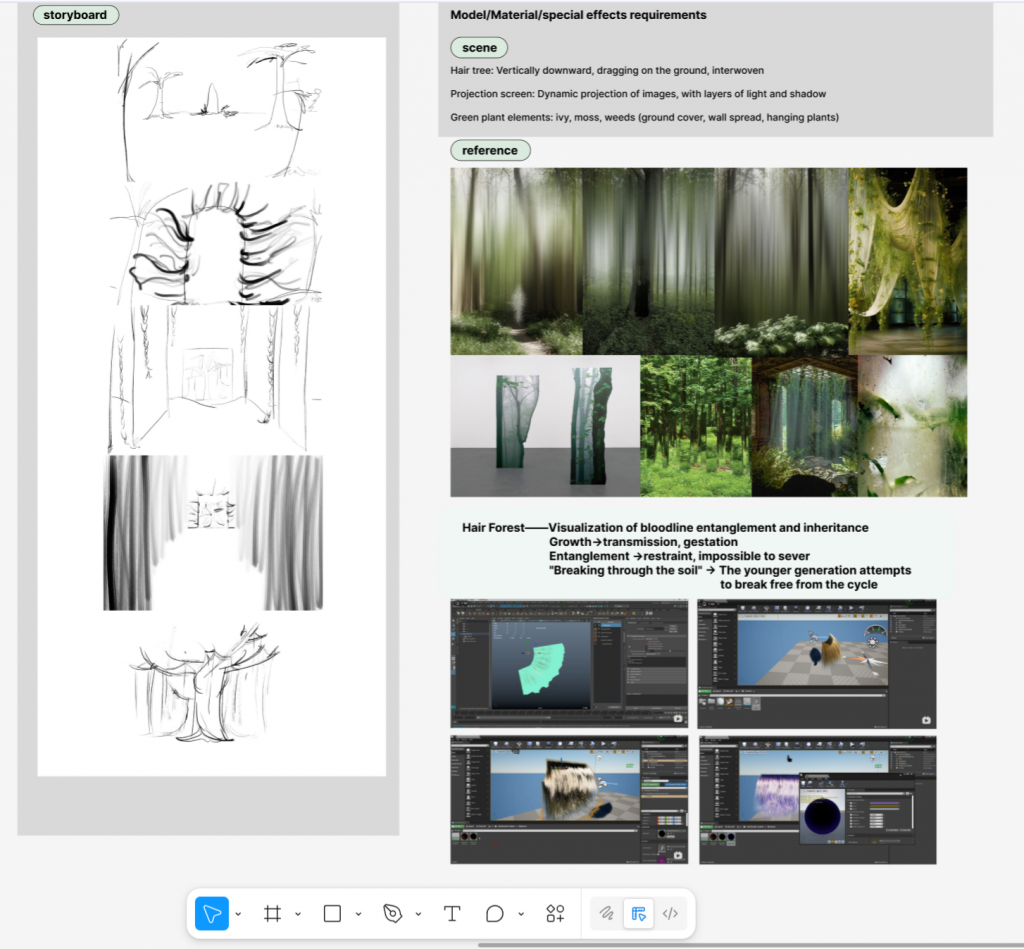
    This project explores the idea of pseudo-nature – a closed space that imitates nature but is artificial and suffocating. We imagined a concrete room filled with hair-like forests, hanging plants, moss, and a projected horizon. These elements symbolize bloodlines, growth, and entanglement inside an enclosed system, while also expressing the desire to break through and see the real horizon.

    My Contribution

    Since I joined the group later, most of the modeling and VFX tasks were already taken. My main contributions were in the early stage and atmosphere design:

    • Organized references and mood boards in Figma
    • Sketched simple scene references and drew several storyboard frames in Figma, to visualize how the camera might move through the pseudo-nature space
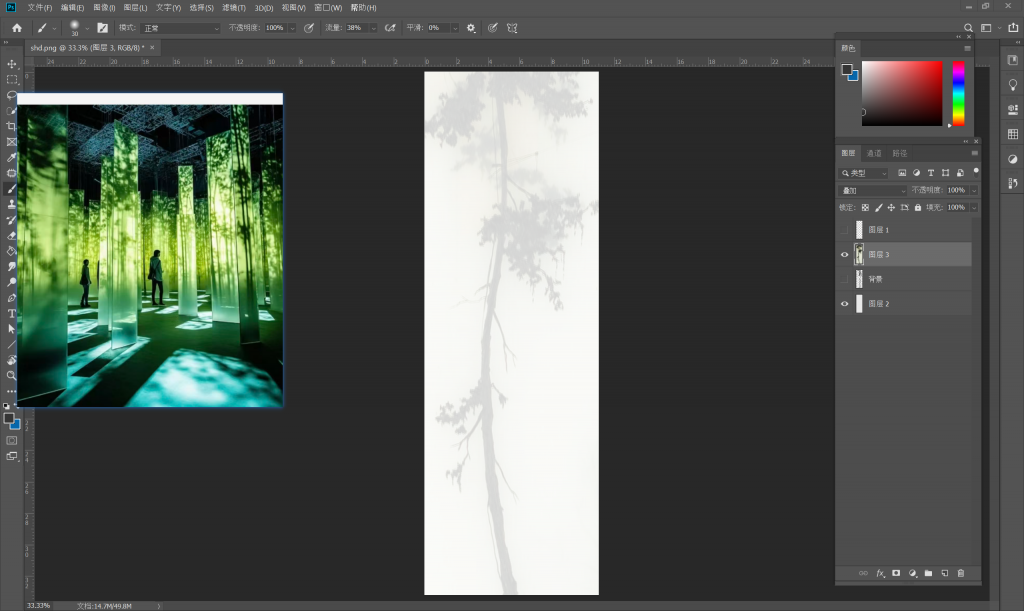
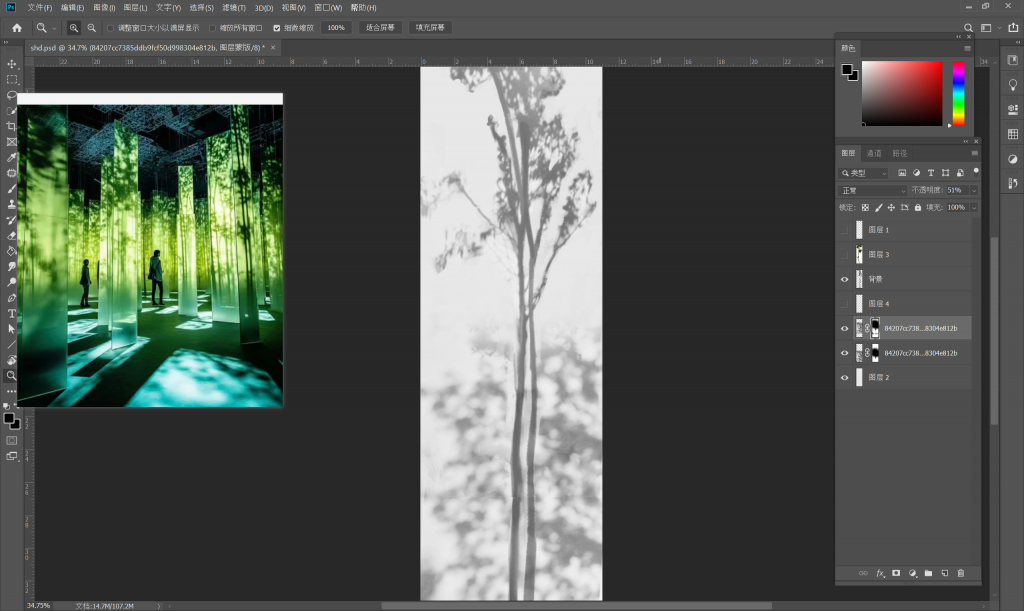
    • Designed two material spheres to test texture possibilities (one focused on organic hair-like growth, and another exploring moss/green surface coverage)
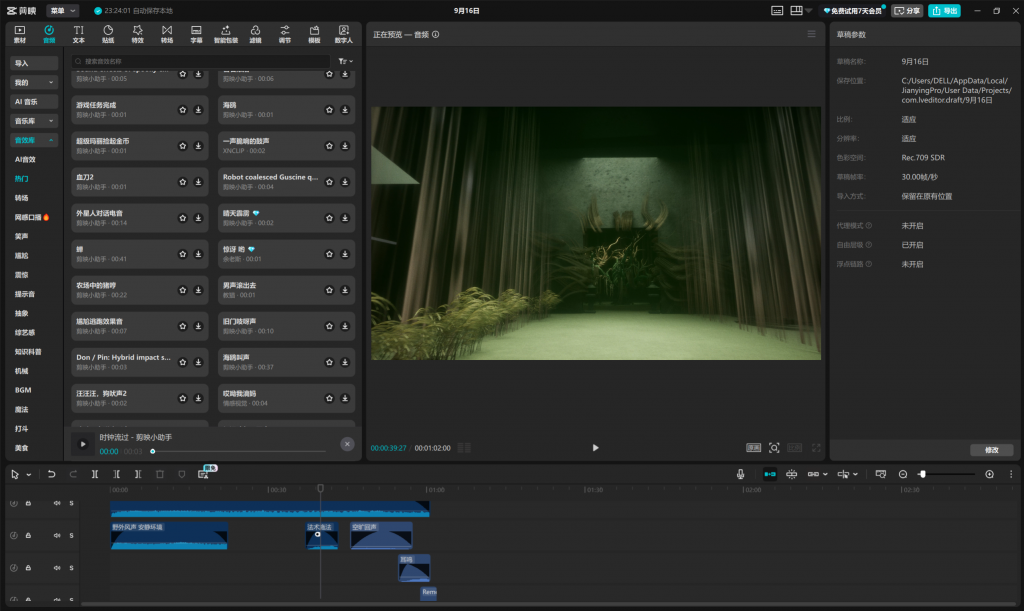
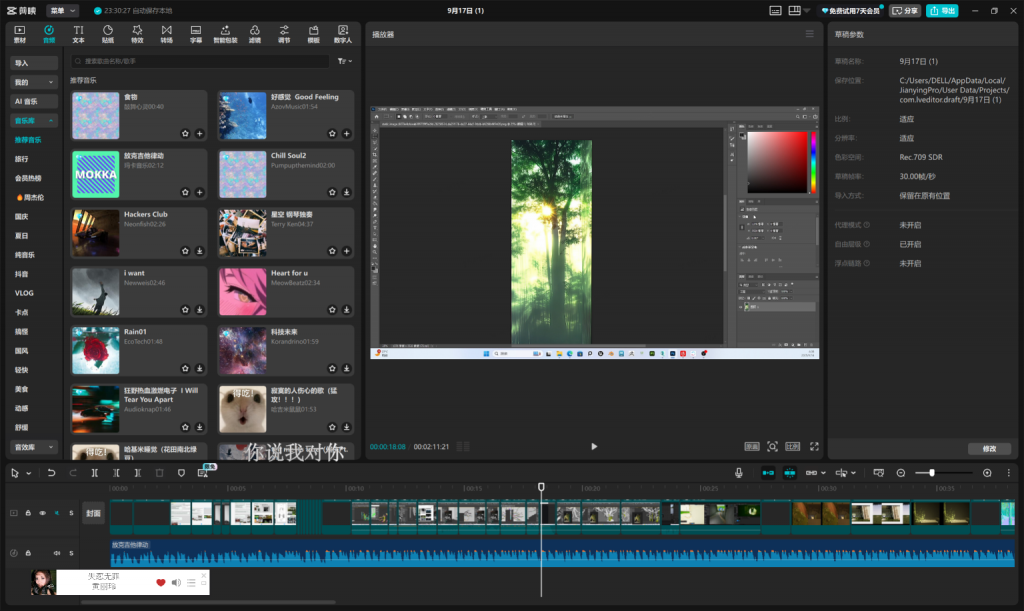
    • Created and edited the background music for the final video

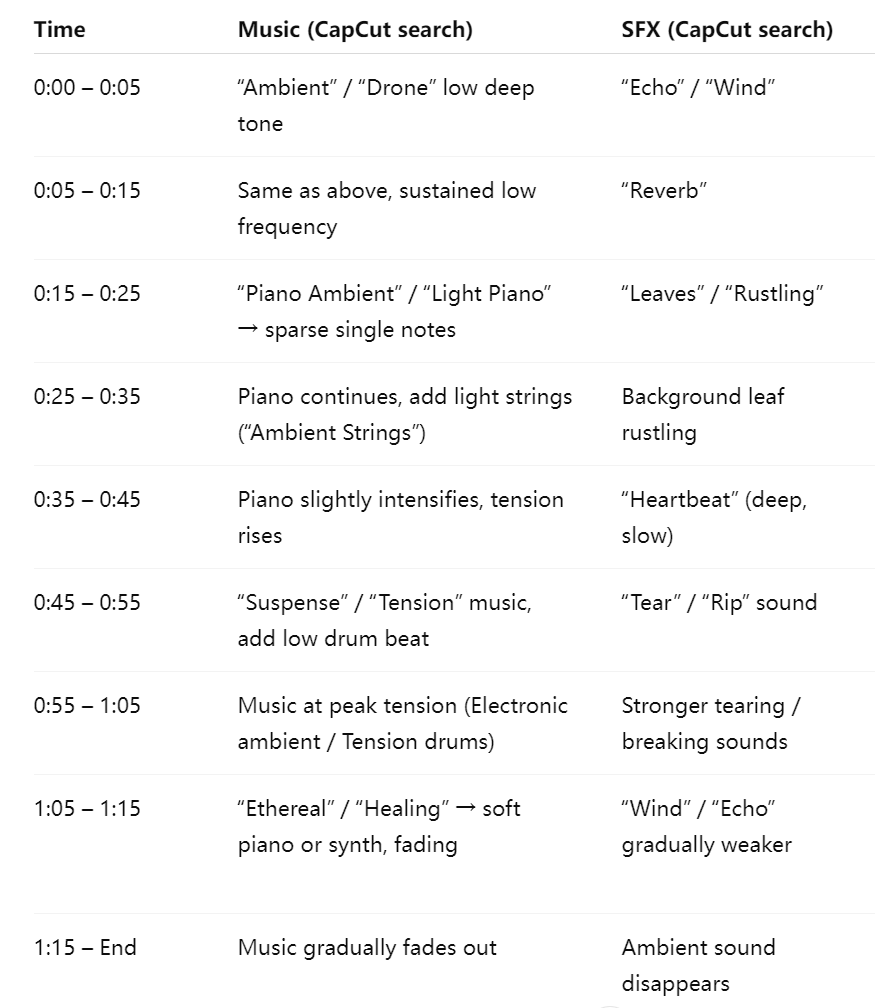
    I especially enjoyed the sound part. I divided the video into sections and matched each one with different layers of music and sound effects. For example, I used low drones and echoing wind for the enclosed opening, soft piano and rustling sounds for the middle growth stage, darker tones and tearing noises for the climax, and fading echoes for the ending. This process taught me how sound can guide emotions and strengthen the atmosphere.

    Group Collaboration & Breakdown

    The project was a team effort. My teammates focused on 3D modeling and VFX, while I supported with concept and sound design. We also produced a group breakdown video to show the process step by step – from modeling and texturing to VFX, compositing, and sound. This gave me a clearer view of how all parts came together to form the final piece.

    Reflection

    This project tells me that I can make meaningful contributions by shaping concepts, references and voices. This also inspired me to continue exploring sound design and to think about how audio and visuals can work together in my future visual effects practice.

  • Project 1-Personal Project

    Collaborative CG Project & Live-Action Compositing Test

    Introduction

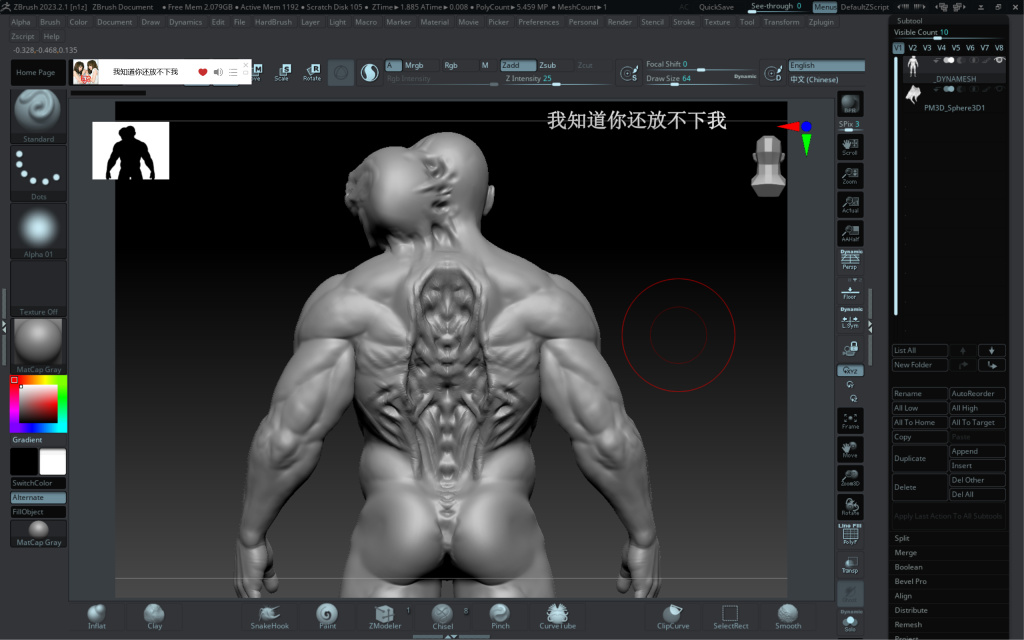
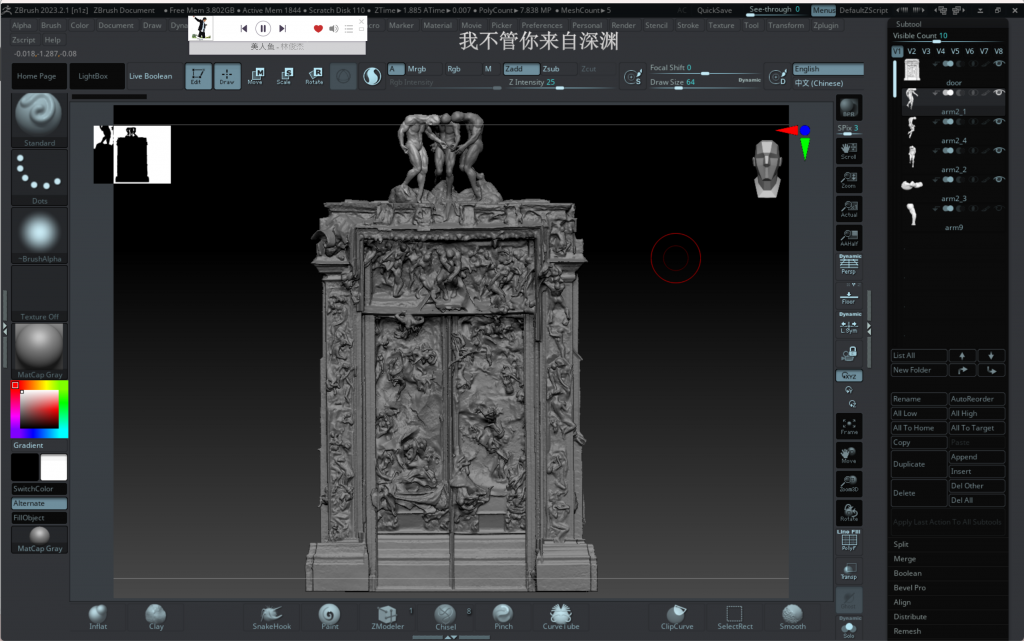
    This project was completed as a collaboration between me and a classmate. My teammate focused mainly on compositing, scene layout and final rendering, while my main contributions were creature sculpting and the modelling of a stylised version of The Gates of Hell.

    Alongside the collaborative full-CG sequence, I also created a short live-action compositing test on my own. The purpose was to take the monster I sculpted for the collaborative project and integrate it into real-world footage, allowing me to practice the full VFX workflow individually.

    Story & Setting

    Our narrative concept was inspired by mythology and literature, especially Dante’s Inferno and the idea of the Seven Deadly Sins.

    The story begins with a piano performance that transforms into a summoning ritual. From this, Envy is born—two-headed, skinless, and grotesque, echoing the phrase “Envy disfigures the face.”

    The protagonist passes into a mirror-world, catching glimpses of other sins. The climax unfolds inside a white museum space dominated by a monumental Gates of Hell sculpture. The scene freezes into a triptych: the protagonist in the white hall, the gate at the centre, and the darkness of Hell beyond.

    This surreal setting gave us the opportunity to explore morality, reflection, and fate while experimenting with creature design and architectural forms.

    Production Process

    Creature Design (My Role)

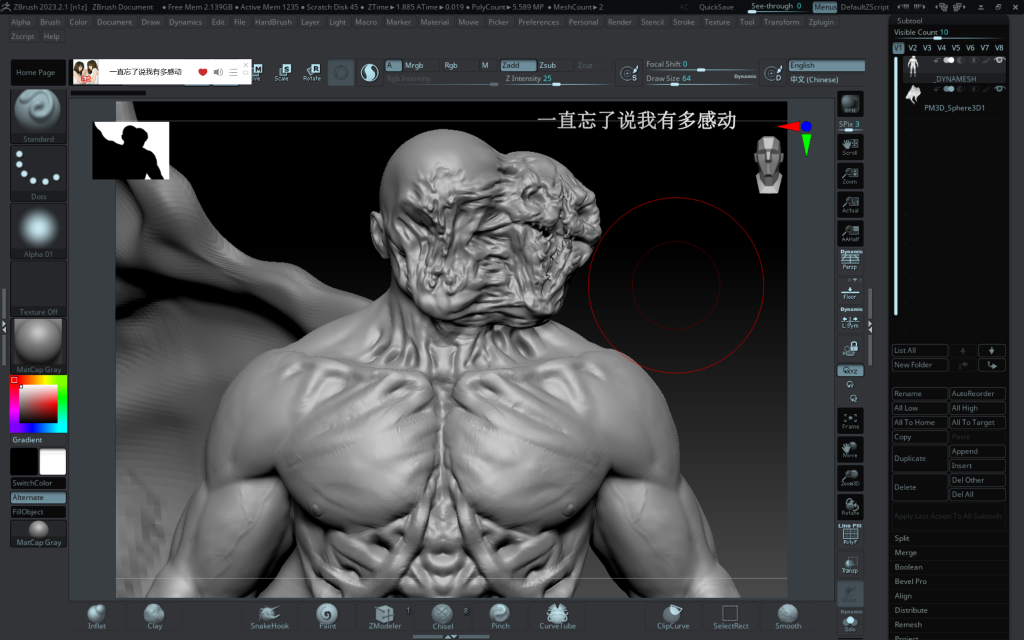
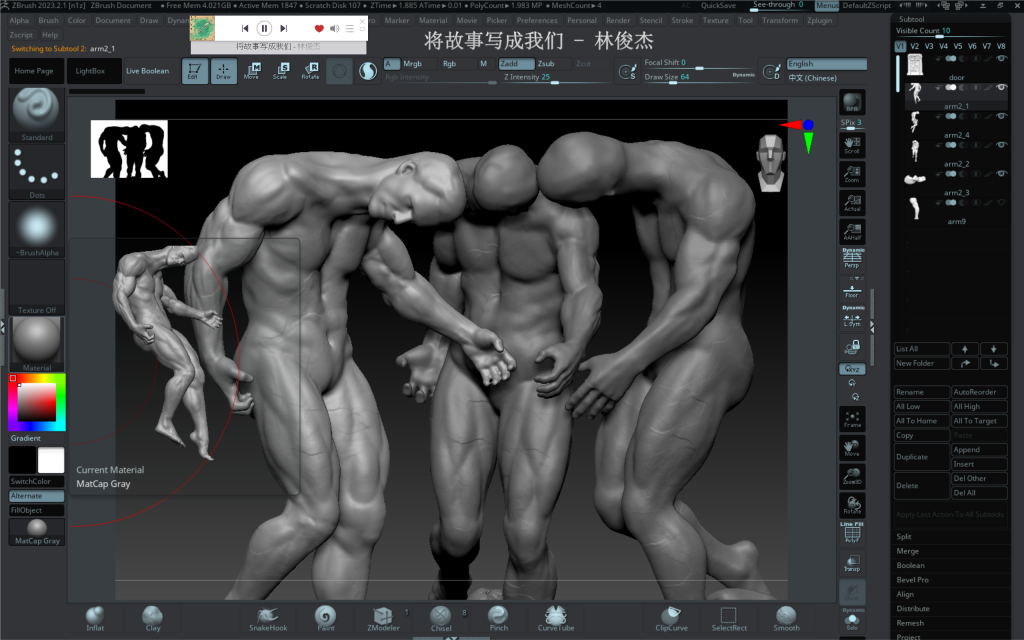
    Sculpted Envy in ZBrush with exaggerated anatomy and skinless textures.

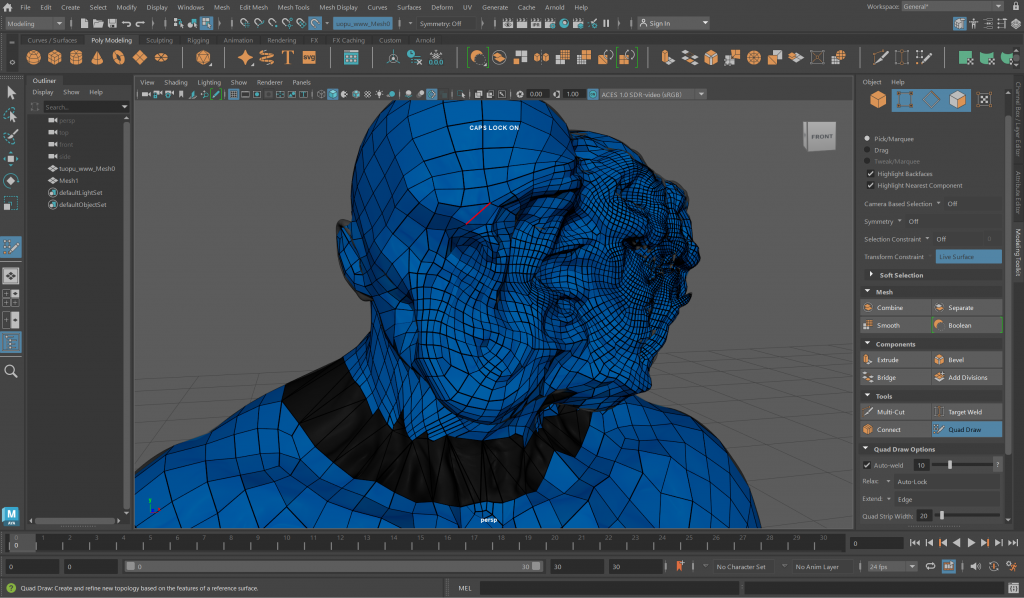
    Retopologised for cleaner geometry and easier integration.

    Focused on unsettling details to symbolise distortion caused by envy.

    I used the Maya topology

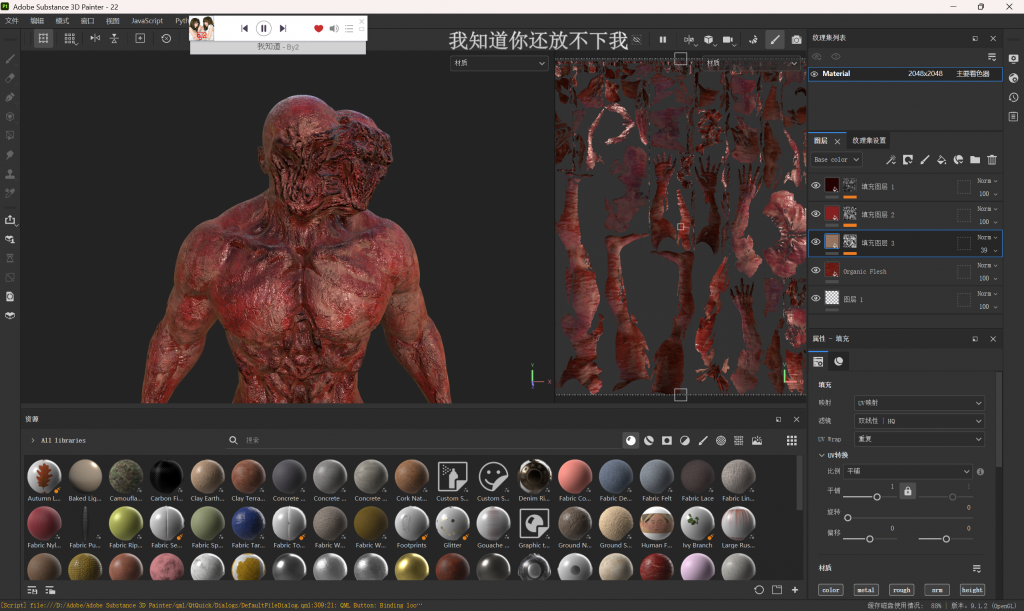
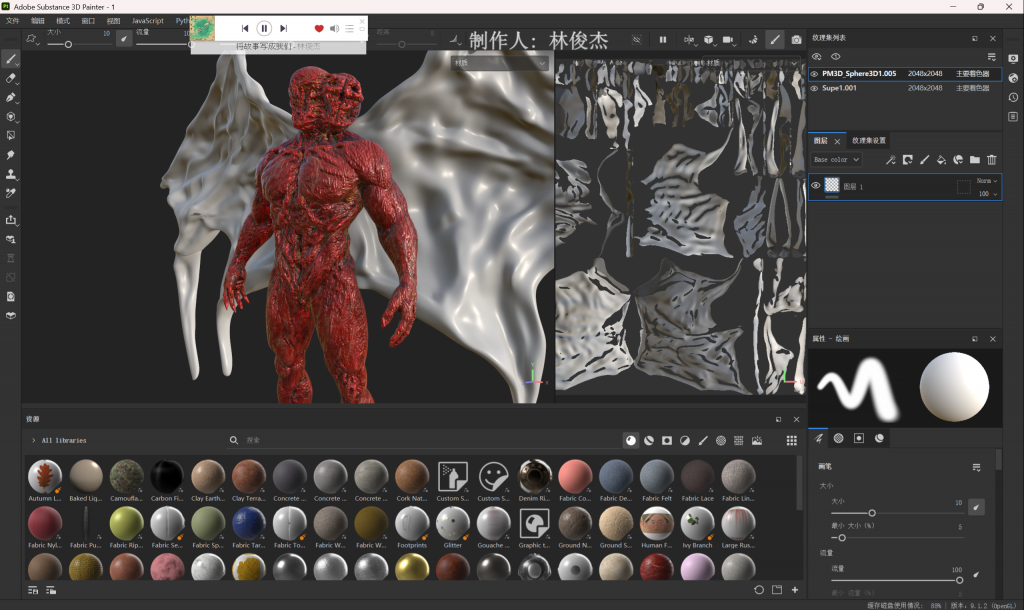
    I used Substance Painter to create the model material

    Gate Modelling (My Role)

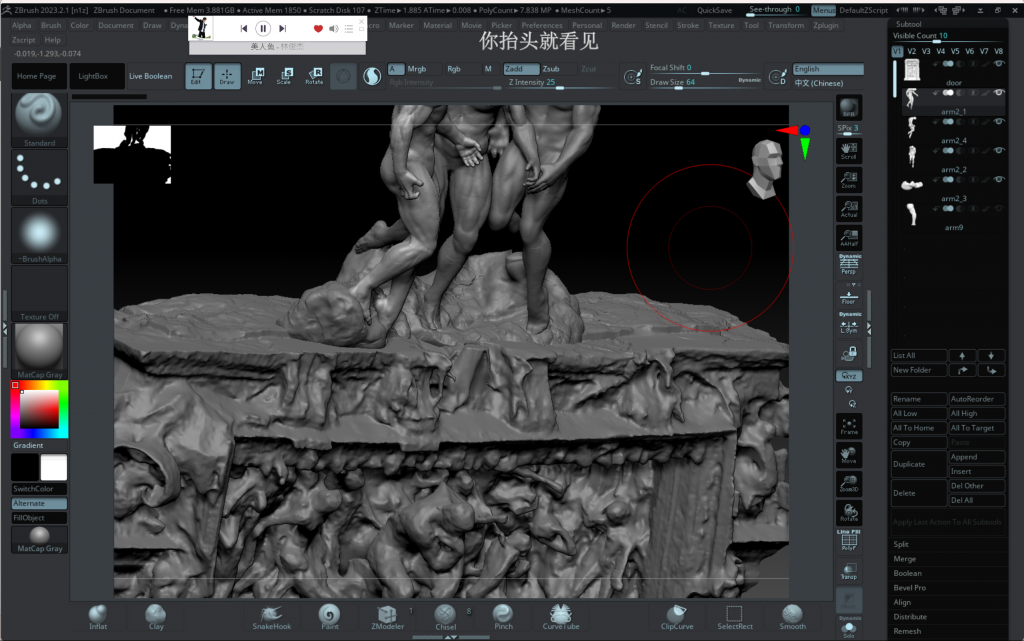
    • Designed a stylised Gates of Hell in Blender.
    • Referenced Rodin’s sculpture but adapted the forms to match our surreal tone.
    • I also used zbrush to sculpt this door and shape the materials.

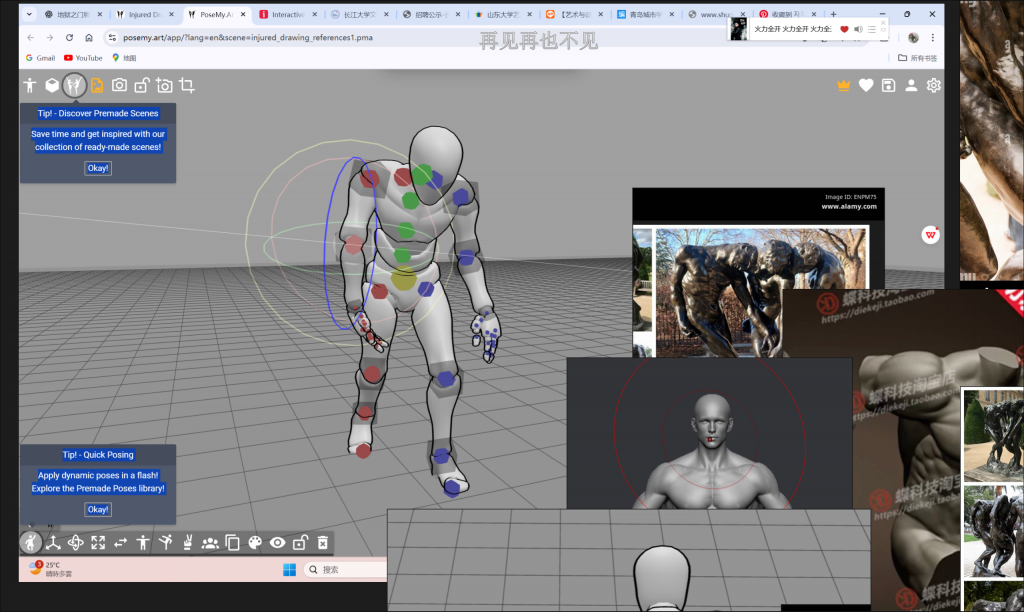
    I used posemy to adjust the posture of body

    Collaboration

    • Handed my creature and gate models to my teammate.
    • Teammate worked on layout, texturing adjustments, lighting, and compositing into the final CG scene.
    • Learned the importance of naming conventions and organised files for smoother teamwork

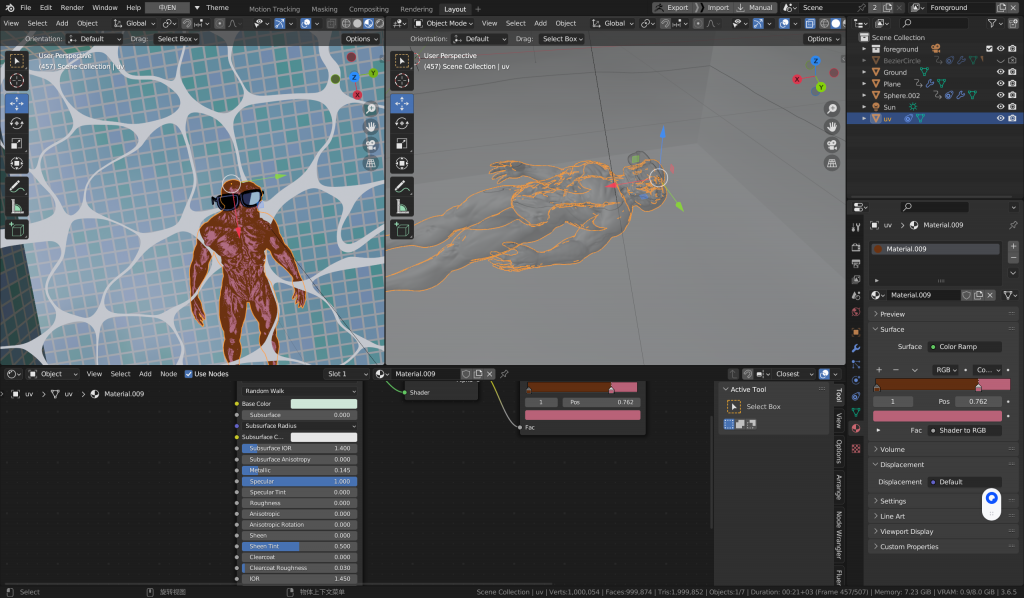
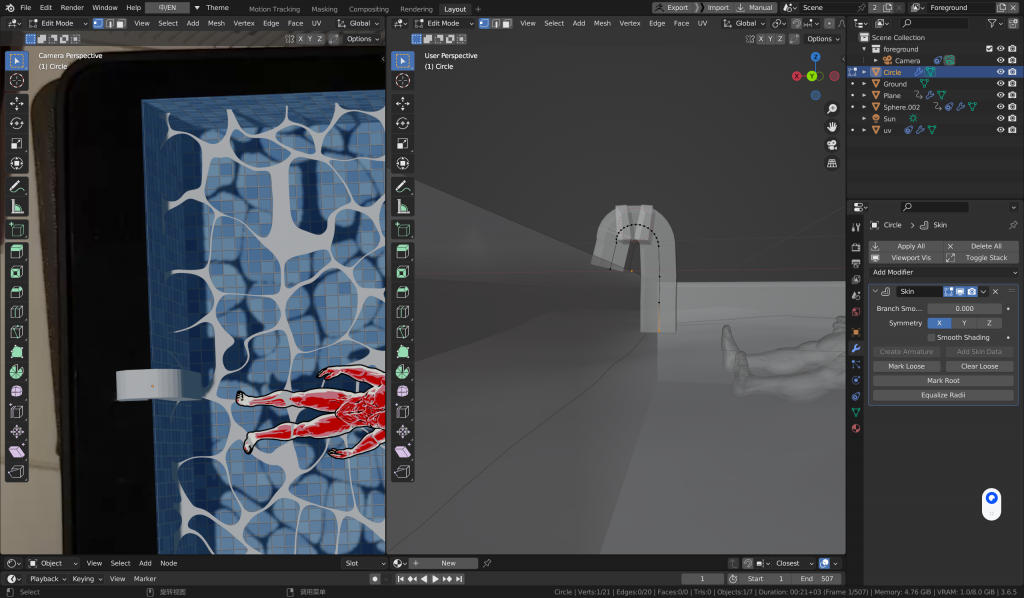
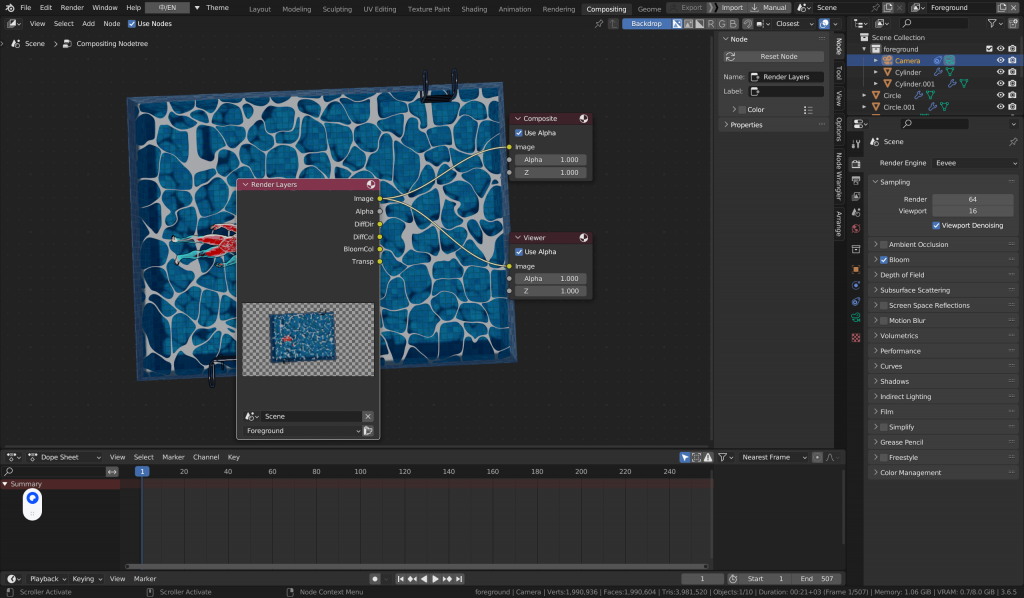
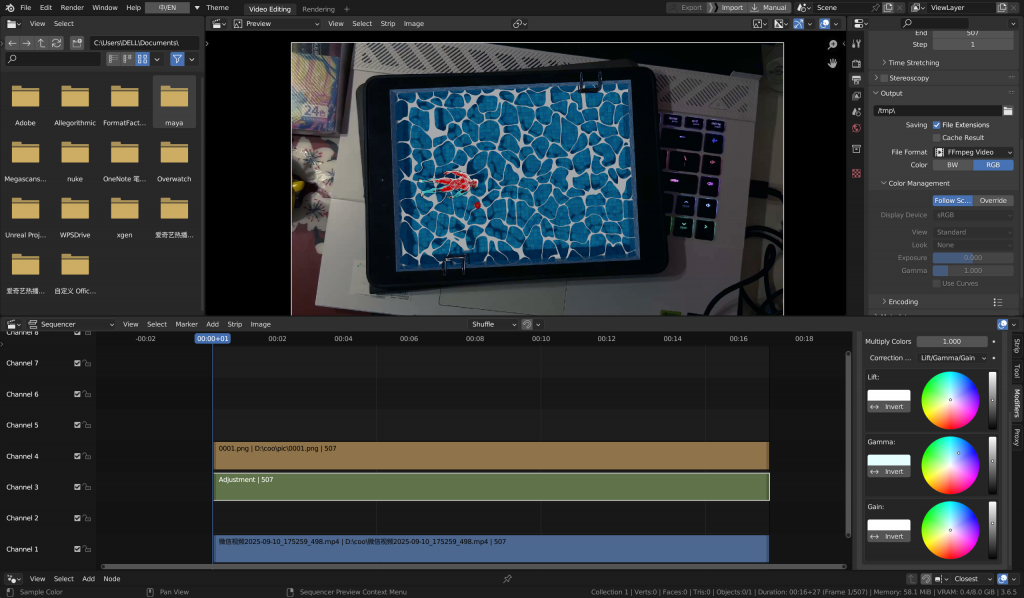
    Personal Live-Action Composite

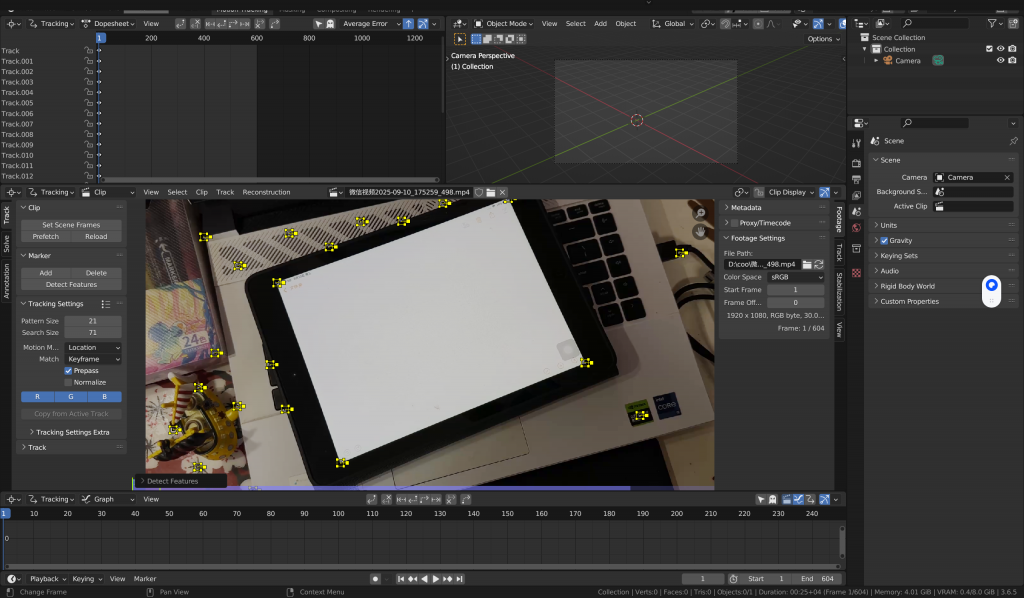
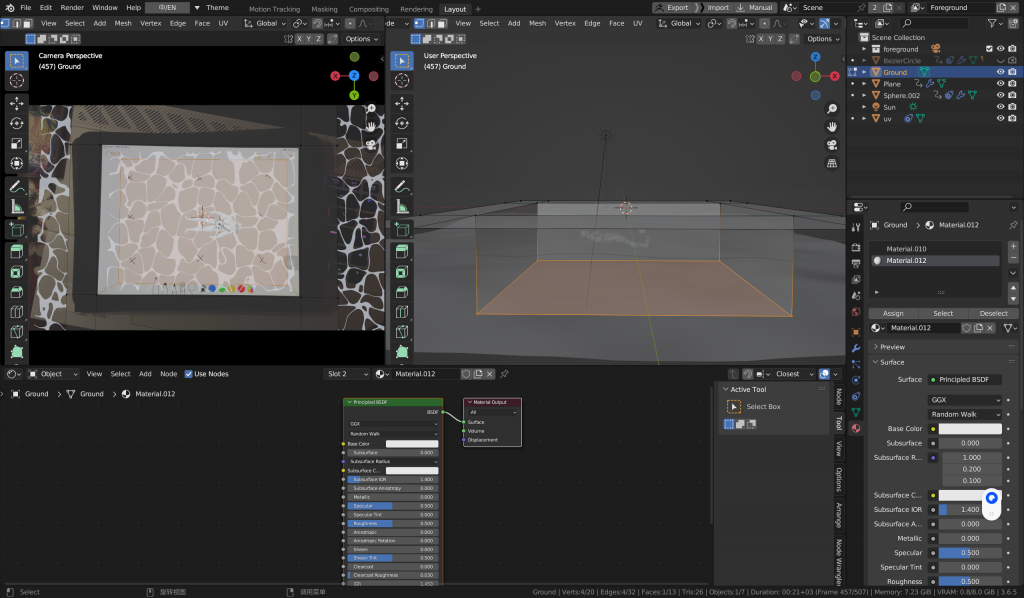
    To extend my learning, I placed the monster into a piece of real footage.

    • Filming: used a simple static plate for easier tracking.
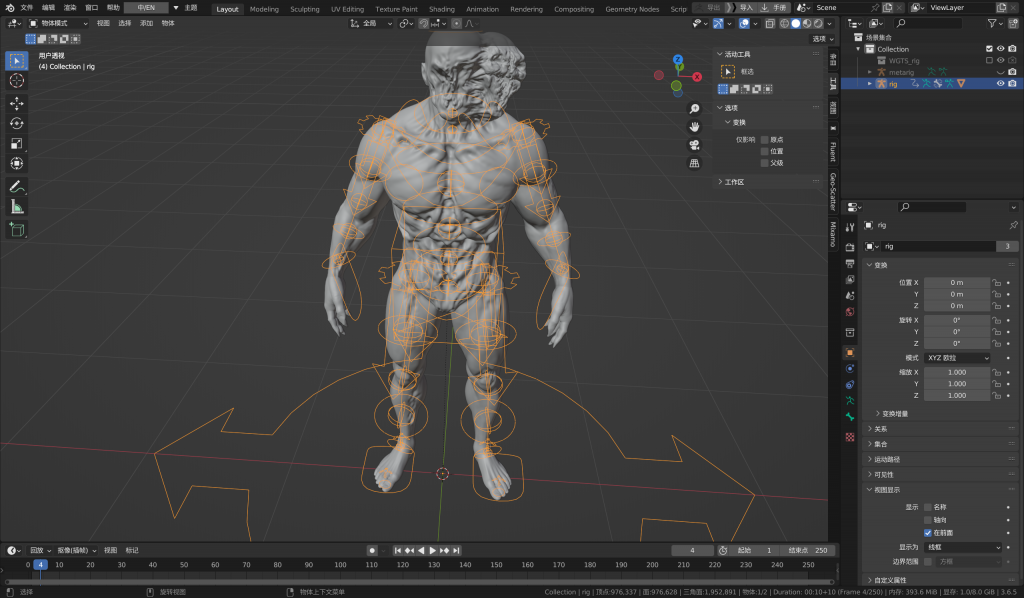
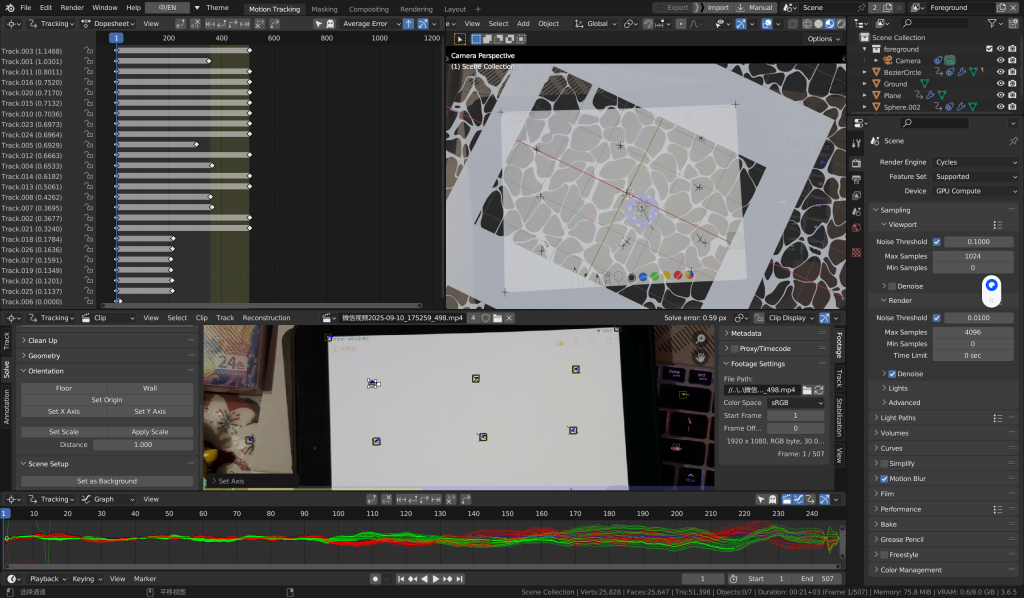
    • Tracking: aligned the CG camera in Blender with the real plate.
    • Integration: matched lighting and scale, added shadows for grounding.
    • Compositing: adjusted colour/contrast to better match the footage.

    This short clip allowed me to complete a full workflow: shooting → tracking → integrating → rendering → compositing.

    Challenges

    • Creature retopology was time-consuming due to its complex sculpt.
    • Matching the gate’s style to the overall scene required balancing detail and readability.
    • For the live-action test, lighting was the hardest to match; small inconsistencies made the CG stand out.
    • The hardest part was the lighting. Even small changes in shadow or brightness made the monster look out of place. I also had only one short shot to work with, so I had to make it as clean as possible.

    Reflection

    This project gave me experience in both teamwork and individual experimentation.

    • In the collaborative CG short, I strengthened my creature sculpting and learned how to prepare assets for a shared pipeline.
    • In the live-action composite, I gained confidence in camera tracking and integration, completing my first full compositing workflow.

    I realised that my strengths are in sculpting and asset creation, but I need more practice in shot design, animation, and advanced compositing techniques. Even though the live-action test was simple, it taught me a lot about light, shadow, and perspective.

    Even though it was a very simple test, it was my first time completing a full live-action compositing workflow by myself. I learned a lot about camera tracking, matching perspective, and blending CG with real footage.

    It gave me more confidence to try bigger shots in the future. For now, I am happy that I managed to bring my creature into the real world, even for just a moment.

    breakdown

  • Hello world!

    Welcome to myblog.arts. This is your first post. Edit or delete it, then start blogging!